
Understanding ACL Surgery: Everything You Need to Know
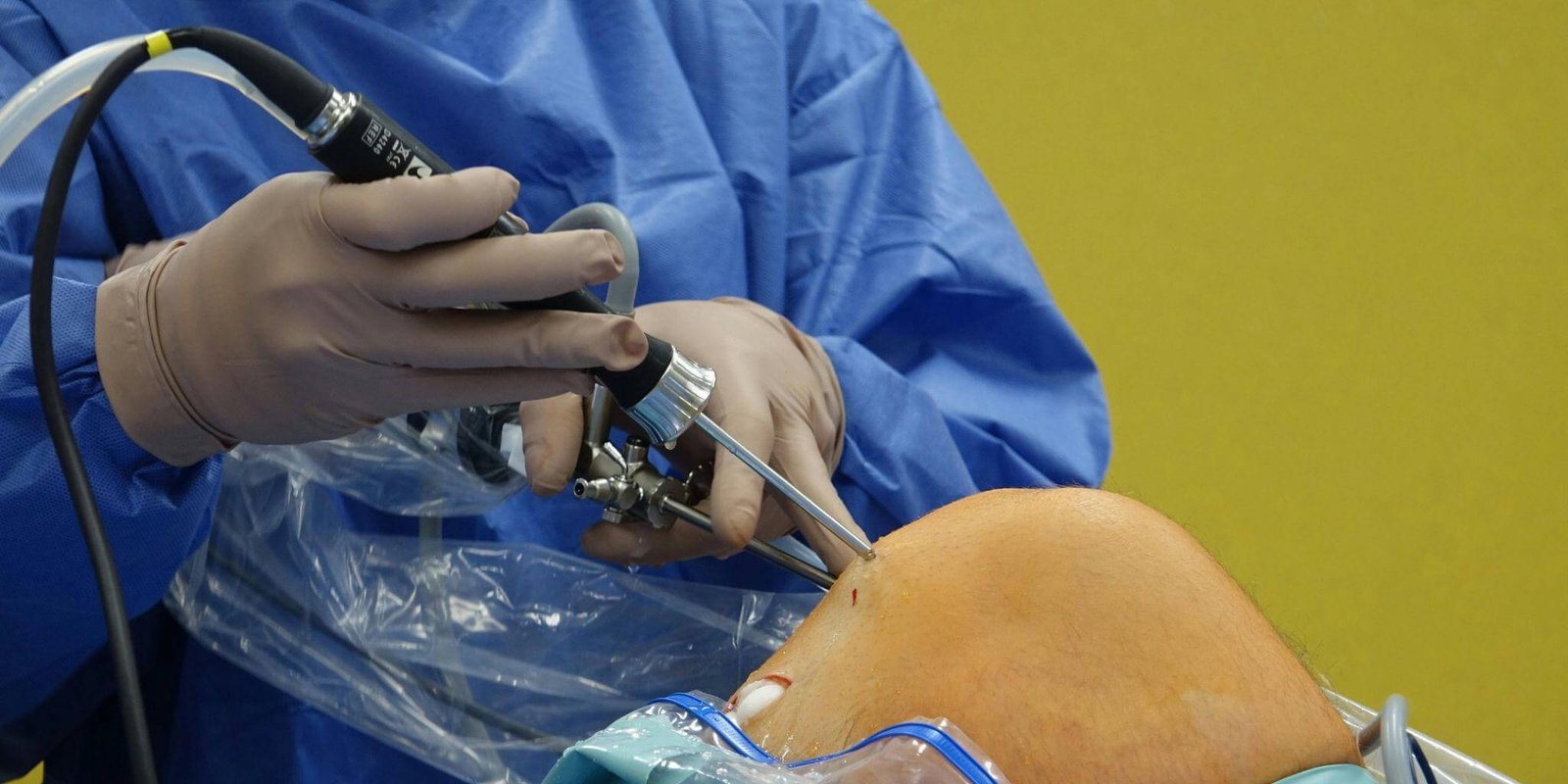
The anterior cruciate ligament (ACL) is one of the most crucial stabilising ligaments in the knee, responsible for maintaining stability during twisting, pivoting, and rapid directional changes. Injuries to the ACL are increasingly common, particularly among athletes and active individuals, and they can significantly affect mobility and quality of life. Understanding ACL Reconstruction surgery, from its indications to recovery, can empower patients to make informed decisions, reduce complications, and return to their normal activities safely. In this comprehensive guide, we delve into everything you need to know about ACL surgery, including causes, treatment options, surgical techniques, and post-operative care.
What is an ACL Injury?
The ACL is one of the four major ligaments that connect the thigh bone (femur) to the shin bone (tibia). Its primary function is to prevent the tibia from sliding out in front of the femur and to provide rotational stability to the knee. ACL injuries occur when the ligament is overstretched or torn, often due to sudden stops, jumps, or changes in direction.
Common causes include:
- Sports involving rapid pivots, such as football, basketball, and skiing
- Direct blows to the knee during contact sports
- Accidental falls or awkward landings
Symptoms of an ACL tear usually include a “popping” sound, intense pain, swelling, instability, and difficulty bearing weight on the affected leg. Prompt diagnosis is crucial to prevent further damage to the knee, including meniscus tears or cartilage injuries.
Non-Surgical vs. Surgical Treatment
Not all ACL injuries require surgery. The decision depends on the severity of the tear, activity level, and overall health.
Non-Surgical Treatment
Non-surgical management may be considered for:
- Partial ACL tears
- Older or less active individuals
- Patients with low physical activity requirements
This approach usually includes physical therapy, bracing, and activity modification to strengthen surrounding muscles and improve knee stability. While non-surgical treatment can alleviate symptoms, it may not fully restore knee stability, especially for athletes or physically active patients.
Surgical Treatment
ACL reconstruction surgery is recommended for:
- Complete ACL tears
- Active individuals or athletes
- Patients with concurrent knee injuries (e.g., meniscus tears)
The goal of surgery is to replace the torn ligament with a graft to restore knee stability, allowing the patient to resume normal activities safely.
Understanding ACL Surgery
ACL surgery is primarily performed using arthroscopic techniques, which are minimally invasive and allow for faster recovery. Here’s what you need to know about the procedure:
1. Types of Grafts
The torn ACL is replaced using a graft, which can be sourced from the patient (autograft) or a donor (allograft).
- Autograft: Often harvested from the patient’s patellar tendon, hamstring tendon, or quadriceps tendon. It is widely preferred due to the lower risk of rejection.
- Allograft: Uses donor tissue, which may be beneficial for older patients or those with multiple injuries, but carries a slightly higher risk of failure.
2. The Surgical Procedure
- Arthroscopy: Small incisions are made around the knee, and a tiny camera is inserted to guide the surgeon.
- Graft placement: The torn ACL is removed, and the graft is anchored in place using screws or other fixation devices.
- Closure: The incisions are closed with sutures, and the knee is bandaged and immobilised.
The surgery usually lasts 1–2 hours and can be performed under general or regional anaesthesia.
Recovery and Rehabilitation
Recovery from ACL surgery is a gradual process and requires dedicated rehabilitation to regain strength, mobility, and stability. Understanding the ACL reconstruction healing process is essential for patients to set realistic expectations and achieve the best outcomes. Initially, the focus is on reducing swelling, managing pain, and restoring the range of motion in the knee. Physical therapy plays a crucial role, gradually strengthening the surrounding muscles and improving joint stability.
Phase 1: Immediate Post-Operative Care (Weeks 0–2)
- Elevate and ice the knee to reduce swelling
- Pain management with prescribed medications
- Use crutches to avoid weight-bearing on the affected leg
- Begin gentle range-of-motion exercises
Phase 2: Early Rehabilitation (Weeks 2–6)
- Gradually increase knee mobility
- Start light strengthening exercises for the quadriceps and hamstrings
- Focus on improving balance and proprioception
Phase 3: Advanced Rehabilitation (Weeks 6–12)
- Introduce low-impact activities such as cycling or swimming
- Strengthen the entire lower limb to support knee stability
- Gradually reduce dependence on braces or supports
Phase 4: Return to Activity (Months 3–9)
- High-impact training and sport-specific drills under physiotherapist supervision
- Functional testing to ensure knee stability
- Full return to competitive sports is usually around 6–9 months post-surgery
Tips for a Successful ACL Surgery Recovery
- Follow your rehabilitation plan diligently to regain strength and mobility.
- Avoid rushing back into sports too soon; premature activity can cause re-injury.
- Maintain a healthy diet rich in protein and vitamins to promote healing.
- Monitor for warning signs such as unusual swelling, redness, or severe pain.
- Stay positive and patient—recovery is gradual but achievable with consistency.
When to Consider Revision ACL Surgery
In some cases, patients may require revision ACL surgery if:
- The initial graft fails or ruptures
- Persistent knee instability continues despite rehabilitation
- Multiple injuries have occurred to the knee
Revision surgery is more complex and requires careful planning, often using different graft sources or advanced surgical techniques.
For individuals facing knee instability due to ligament injuries, ACL reconstruction offers a reliable path to restoring mobility and strength. The procedure requires precise surgical planning, understanding of graft types, and a dedicated rehabilitation schedule to optimise recovery. Following post-operative care and physiotherapy protocols is essential for long-term success. Choosing a trusted knee replacement surgeon in Gitanjali Chowk, Nagpur, ensures both safety and effectiveness during the surgical process. With proper care and commitment to rehabilitation, ACL surgery can help patients regain confidence, return to their favourite activities, and enjoy an improved quality of life.