
Common Causes of Elbow Fractures and How to Prevent Them
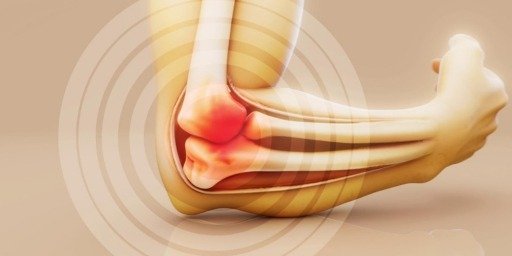
An elbow joint fracture is not just another orthopaedic injury you can brush aside. In clinical practice, I often see patients walk in thinking it is a minor knock, only to discover a complex fracture that needs careful management. The elbow is a highly functional hinge joint that allows you to lift, push, and stabilise your arm. When injured, even simple daily activities become difficult.
Understanding what causes these fractures and how to prevent them is not just useful; it is essential. Let’s break it down in practical, real-world terms.
Top Causes of Elbow Joint Fracture: Falls, Accidents, and Sports Injuries
Most elbow fractures are not mysterious. They usually follow a clear, forceful event.
1. Falls on an Outstretched Hand
This is the most common cause. A person slips, instinctively stretches the hand to break the fall, and the force travels straight to the elbow.
Children and elderly individuals are particularly vulnerable here.
2. Road Traffic Accidents
High-speed impact changes everything. Whether it is a two-wheeler skid or a car collision, the elbow often absorbs a direct blow or twisting force, leading to complex fractures.
3. Sports Injuries
Contact sports and high-intensity activities bring their own risks. Falls during cricket, football, cycling, or even gym training can result in a broken elbow. Improper landing techniques make things worse.
4. Direct Trauma
A direct hit to the elbow, such as during a fall from height or workplace injury, can fracture the bones even without a fall.
How High-Impact Activities Increase the Risk of Elbow Joint Fracture
High-impact movements place repeated stress on joints, and when combined with poor technique, they become a recipe for injury.
Repetitive Stress and Weakening
Athletes who constantly load their upper limbs, especially in weight training or gymnastics, can weaken the joint structure over time. A sudden overload then leads to a fracture.
Improper Training Techniques
Lifting weights beyond your capacity, poor posture during push-ups, or improper landing during jumps can increase strain on the elbow.
Lack of Protective Gear
Cyclists and skateboarders who skip elbow guards are exposing themselves to unnecessary risk.
Fatigue and Poor Conditioning
Tired muscles do not absorb shock effectively. This shifts the load directly onto bones and joints, increasing fracture risk.
Early Signs That Indicate You May Need Elbow Joint Fracture Treatment
Many patients delay treatment because they assume it is just a sprain. That delay can complicate recovery.
Watch for these signs:
Severe Pain and Swelling
Pain that does not settle with rest or basic medication is a red flag. Swelling around the elbow joint is often immediate.
Restricted Movement
If you cannot fully bend or straighten your arm, something is wrong.
Visible Deformity
An abnormal shape or misalignment is a clear indicator of a fracture.
Bruising and Tenderness
Deep bruising around the elbow, especially after trauma, should not be ignored.
Numbness or Tingling
This may indicate nerve involvement and requires urgent evaluation.
At this stage, timely elbow joint fracture treatment can make the difference between a smooth recovery and long-term stiffness.
Preventing Elbow Injuries: Tips to Avoid an Elbow Joint Fracture
Prevention is not complicated. It just requires consistency and awareness.
1. Improve Balance and Coordination
Falls are often preventable. Regular exercises like yoga or balance drills can reduce the chances of slipping.
2. Use Protective Gear
If you are involved in cycling, skating, or contact sports, elbow guards are not optional. They are basic protection.
3. Strengthen Supporting Muscles
Strong muscles around the shoulder and forearm help absorb impact. Focus on controlled strength training instead of lifting blindly.
4. Maintain Bone Health
Calcium and Vitamin D are not just buzzwords. A balanced diet and adequate sunlight exposure strengthen bones and reduce fracture risk.
5. Practise Safe Techniques
Learn how to fall correctly in sports training. Avoid locking your elbow during impact.
6. Keep Your Surroundings Safe
Simple changes like non-slip mats in bathrooms and proper lighting at home can prevent accidental falls, especially in elderly individuals.
When to Seek Medical Help for Elbow Joint Fracture Treatment
This is where many people go wrong. They wait too long.
Seek medical attention immediately if:
- Pain is severe and persistent
- There is a visible deformity
- You cannot move your elbow
- Swelling increases rapidly
- There is numbness in the hand or fingers
Delaying treatment can lead to complications such as joint stiffness, improper healing, or even permanent functional loss.
Modern elbow joint fracture treatment ranges from immobilisation with a cast to advanced surgical fixation, depending on the severity. Early diagnosis always simplifies the treatment plan.
ntal falls, especially in elderly individuals.
Additional Risk Factors You Should Not Ignore
Beyond injuries, certain conditions quietly increase fracture risk:
- Osteoporosis, especially in older adults
- Poor nutrition
- Sedentary lifestyle
- Previous fractures or joint injuries
- High-risk occupations like construction work
Addressing these factors significantly reduces your long-term risk.
Frequently Asked Questions (FAQs)
Can an elbow fracture heal without surgery?
Yes, minor fractures can heal with immobilisation using a cast or splint. However, displaced fractures usually require surgical intervention for proper alignment.
How long does recovery take after an elbow fracture?
Recovery typically takes 6 to 12 weeks, depending on the severity. Physiotherapy plays a crucial role in regaining movement.
Is physiotherapy necessary after treatment?
Absolutely. Without rehabilitation, stiffness and reduced mobility are common outcomes.
What happens if a fractured elbow is left untreated?
It can lead to permanent deformity, chronic pain, and loss of function. Delayed treatment often complicates recovery.
Are children more prone to elbow fractures?
Yes, especially due to frequent falls during play. However, their bones also heal faster compared to adults.
An elbow fracture is rarely just an accident. It is usually the result of preventable factors such as poor balance, unsafe practices, or neglecting early symptoms. The elbow joint is too important to ignore when injured.
Recognising the warning signs early, taking preventive measures seriously, and seeking timely medical care can save you from long-term complications. If you are dealing with symptoms or have suffered trauma, do not delay evaluation.
For those seeking reliable and expert-led elbow joint fracture treatment in Nagpur, timely consultation can ensure accurate diagnosis, appropriate management, and a safe return to normal function.