
Shoulder Fractures: Causes, Treatment Options, and Recovery Guide
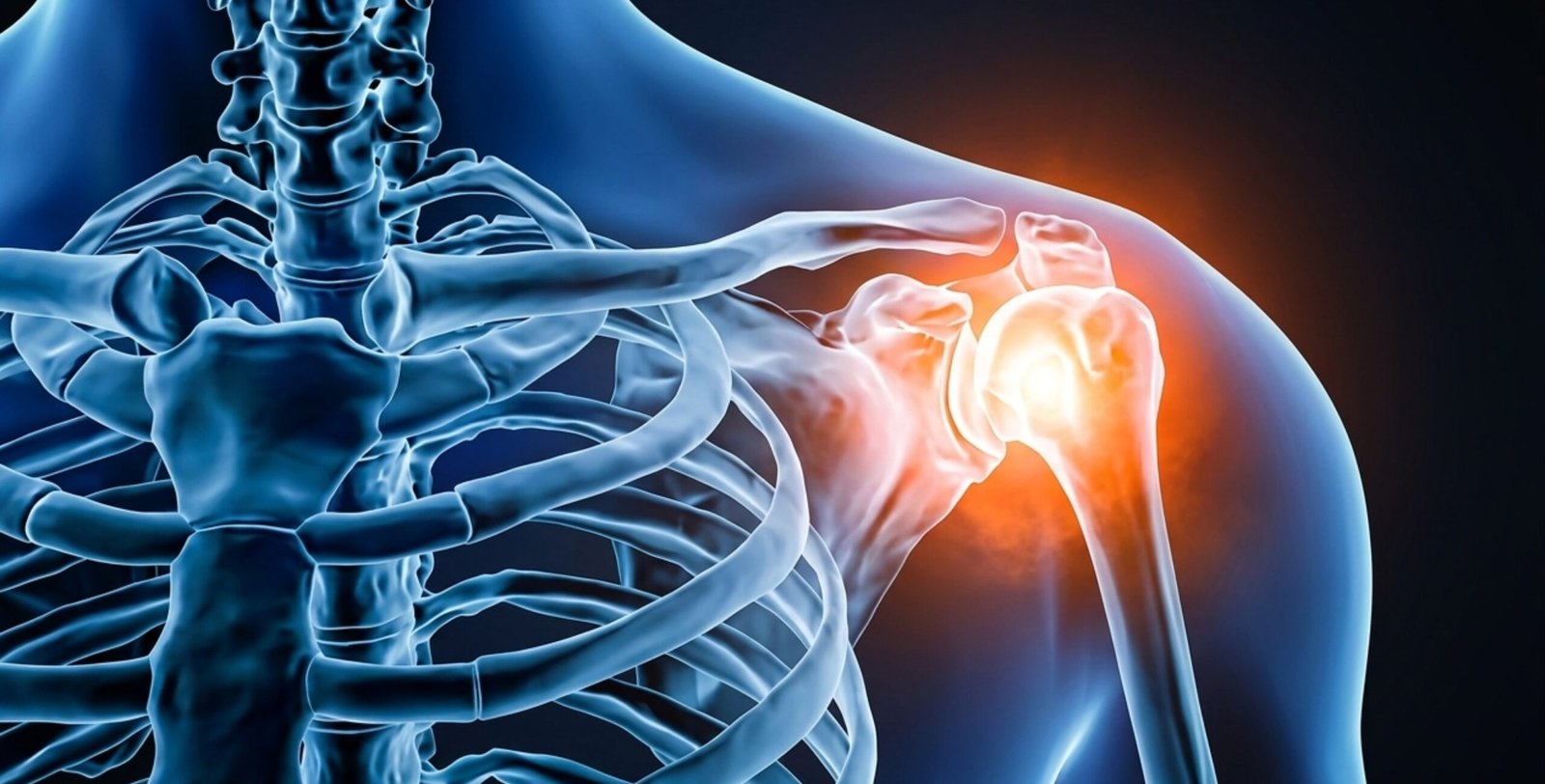
A shoulder fracture can be a painful and life disrupting injury that affects your ability to perform everyday activities. Whether caused by a fall, sports injury, road accident, or direct trauma, prompt diagnosis and appropriate shoulder fracture treatment are essential for restoring shoulder function and preventing long term complications. The shoulder is a complex joint made up of bones, muscles, ligaments, and tendons that work together to provide mobility and strength. When a fracture occurs, expert medical care is necessary to ensure proper healing and recovery.
Understanding a Shoulder Fracture
A shoulder fracture refers to a break in one or more bones that form the shoulder joint. The most commonly affected bones include:
- Clavicle (collarbone)
- Proximal humerus (upper arm bone)
- Scapula (shoulder blade)
The severity of a fracture can range from a small crack in the bone to a complete break with displaced fragments. The type and location of the fracture play a major role in determining the most suitable treatment approach.
Common Causes of Shoulder Fractures
Shoulder fractures can occur due to various reasons, including:
Falls
Falls are one of the leading causes of shoulder fractures, particularly among older adults with reduced bone density.
Road Traffic Accidents
High impact collisions can result in significant trauma to the shoulder region and may cause complex fractures.
Sports Injuries
Contact sports, cycling, cricket, football, and other physical activities can increase the risk of shoulder injuries and fractures.
Osteoporosis
People with osteoporosis have weaker bones, making them more susceptible to fractures even after minor falls or injuries.
Signs and Symptoms of a Shoulder Fracture
Recognising the symptoms early can help you seek timely medical attention.
Common Symptoms Include:
- Severe shoulder pain
- Swelling around the shoulder
- Bruising and tenderness
- Difficulty moving the arm
- Visible deformity in some cases
- Grinding sensation during movement
- Reduced range of motion
If any of these symptoms occur following an injury, a medical evaluation should be arranged as soon as possible.
How Is a Shoulder Fracture Diagnosed?
An orthopaedic specialist will typically begin with a physical examination and review of the injury history. Diagnostic imaging helps confirm the diagnosis and determine the severity of the fracture.
Imaging Tests
- X rays
- CT scans
- MRI scans when soft tissue injuries are suspected
Accurate diagnosis is critical for creating an effective treatment plan.
Treatment Options for Shoulder Fractures
The treatment approach depends on factors such as fracture type, displacement, patient age, activity level, and overall health.
Shoulder Fracture Without Surgery
Not every fracture requires an operation. In many cases, shoulder fracture without surgery can provide excellent outcomes when the broken bone remains stable and properly aligned.
Non surgical treatment may include:
- Immobilisation using a sling
- Pain management medications
- Ice therapy to reduce swelling
- Regular follow up assessments
- Physiotherapy after the initial healing period
Patients undergoing shoulder fracture without surgery must follow medical instructions carefully to ensure proper healing and avoid complications.
Surgical Treatment
Surgery may be recommended when:
- Bone fragments are displaced
- Multiple fracture fragments are present
- The joint surface is involved
- The fracture is unstable
- Non surgical treatment is unlikely to restore function
Common surgical procedures include:
- Internal fixation with plates and screws
- Pin fixation
- Shoulder replacement surgery in severe cases
An orthopaedic surgeon will recommend the most appropriate procedure based on individual circumstances.
Fractured Shoulder Recovery: What to Expect
The process of fractured shoulder recovery varies from person to person. Factors such as age, fracture severity, overall health, and adherence to rehabilitation all influence healing time.
Initial Recovery Phase
During the first few weeks, the focus is on:
- Pain control
- Protecting the fracture
- Reducing swelling
- Maintaining circulation
Rehabilitation Phase
Once the bone begins to heal, physiotherapy becomes an important part of fractured shoulder recovery. Exercises are gradually introduced to improve:
- Flexibility
- Strength
- Joint stability
- Range of motion
Long Term Recovery
Most patients experience significant improvement within several months. However, complete fractured shoulder recovery may take longer in complex cases or in older individuals.
Following a personalised rehabilitation programme can help restore shoulder function and support a safe return to normal activities.
Tips to Support Healing
Follow Medical Advice
Attend all follow up appointments and imaging evaluations to monitor healing progress.
Stay Active Within Limits
Avoid unnecessary strain on the shoulder but continue gentle movement exercises recommended by your doctor.
Maintain Good Nutrition
A balanced diet rich in calcium, vitamin D, and protein can support bone healing.
Avoid Smoking
Smoking may slow bone healing and increase the risk of complications.
Possible Complications of Untreated Shoulder Fractures
Delaying treatment can increase the likelihood of:
- Chronic pain
- Shoulder stiffness
- Reduced arm function
- Malunion or improper healing
- Arthritis in the shoulder joint
- Nerve or blood vessel injury
Early diagnosis and appropriate treatment can significantly reduce these risks.
When Should You See an Orthopaedic Specialist?
Seek immediate medical attention if you experience:
- Severe pain after a fall or injury
- Inability to move the shoulder
- Visible deformity
- Significant swelling or bruising
- Numbness or weakness in the arm
Prompt evaluation improves the chances of successful recovery and helps prevent long term complications.
Frequently Asked Questions (FAQs)
How long does a shoulder fracture take to heal?
Most shoulder fractures take between 6 to 12 weeks to heal, although full recovery and rehabilitation may take several months.
Can a shoulder fracture heal without surgery?
Yes. Many stable fractures can be successfully managed through shoulder fracture without surgery, particularly when the bones remain properly aligned.
When can I start physiotherapy after a shoulder fracture?
The timing varies depending on the type of fracture and treatment method. Your orthopaedic specialist will determine when rehabilitation can begin safely.
Is surgery always required for shoulder fractures?
No. Surgery is generally reserved for displaced, unstable, or complex fractures that are unlikely to heal properly with conservative treatment.
Can I return to sports after a shoulder fracture?
Most patients can return to sports and physical activities after adequate healing and rehabilitation, subject to medical clearance.
A shoulder fracture requires timely diagnosis, expert care, and a structured rehabilitation plan to achieve the best possible outcome. Whether treated surgically or through conservative methods, proper management can help restore shoulder strength, mobility, and function. If you are experiencing symptoms of a shoulder injury or need guidance regarding treatment options, consulting a qualified orthopaedic expert is essential. For personalised care and advanced orthopaedic solutions, consider visiting a trusted shoulder specialist near Gokulpeth, Nagpur to receive an accurate diagnosis and comprehensive treatment plan.