
Shoulder Ligament Tear: Symptoms, Causes, Diagnosis & Treatment
Quick Answer
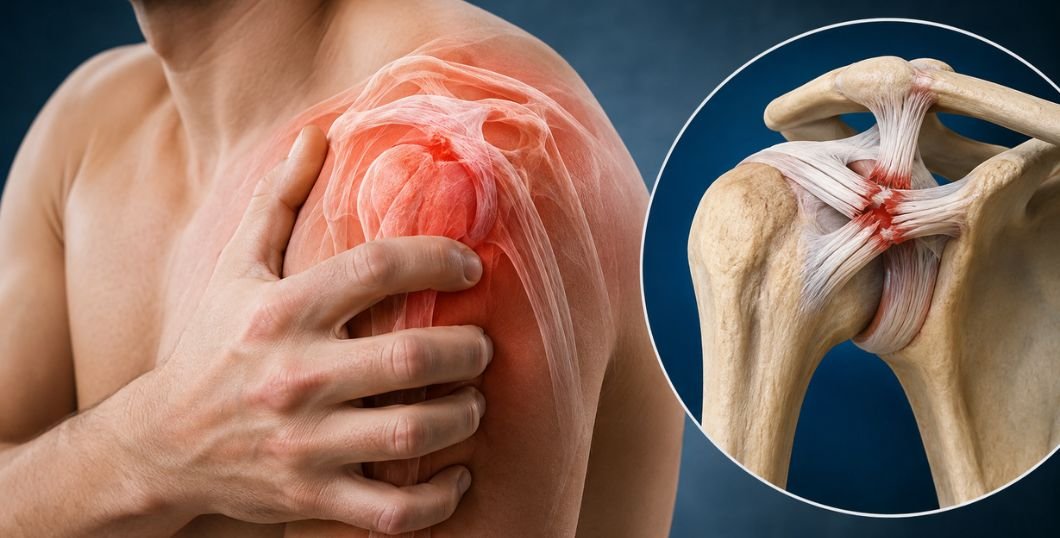
A shoulder ligament tear is an injury to the tough bands of tissue that hold the shoulder joint together, usually caused by a fall, a sports injury, or a sudden dislocation. It leads to pain, swelling, and a feeling of instability in the joint. Mild to moderate tears often heal with rest, bracing, and physiotherapy, while severe tears causing repeated instability may need arthroscopic surgery to restore normal shoulder function.
Key Points to Know About Shoulder Ligament Tear
- A shoulder ligament tear affects joint stability, unlike a rotator cuff tear which affects movement and strength.
- Falls, sports injuries, and shoulder dislocations are the most common causes.
- Symptoms range from mild soreness to visible deformity and instability.
- Diagnosis is confirmed through a physical examination and MRI.
- Most mild and moderate tears improve with non-surgical treatment.
- Severe or repeated instability may require shoulder arthroscopy.
What Is a Shoulder Ligament Tear?
The shoulder joint depends on several ligaments to stay stable while allowing a wide range of movement. These ligaments connect the collarbone, shoulder blade, and upper arm bone, working alongside the rotator cuff to hold everything in place. A shoulder ligament tear happens when one or more of these bands are overstretched or torn, partially or completely, usually due to sudden force or a twisting injury.
Unlike a rotator cuff tear, which mostly affects strength, a torn shoulder ligament tends to affect stability first. Patients often describe a sensation of the joint feeling loose or slipping, which helps doctors distinguish it during examination.
What Are the Symptoms of a Shoulder Ligament Tear?
Symptoms depend on the severity of the tear, but the following signs are commonly seen in patients.
Sudden, sharp pain at the time of injury Swelling and bruising around the shoulder A visible bump near the collarbone in AC joint injuries Weakness while lifting the arm overhead A feeling that the shoulder is loose or about to give way Pain that worsens with overhead activity or lying on the affected side
Mild cases often present as a dull ache that settles with rest, while complete tears usually cause immediate pain with noticeable swelling.
What Causes a Shoulder Ligament Tear?
Falls and Direct Impact
A fall onto the shoulder or an outstretched hand is one of the most frequent causes of ligament tears, especially AC joint injuries.
Sports Injuries
Contact sports and activities involving repeated overhead motion place ongoing stress on shoulder ligaments, making athletes more prone to this injury.
Shoulder Dislocation
When the shoulder dislocates, the surrounding ligaments are often stretched or torn in the process, which is why dislocations carry a higher risk of long-term instability.
Repetitive Strain
Repeated overhead movement, seen in swimmers, painters, and manual labourers, can gradually weaken shoulder ligaments over time.
How Is a Shoulder Ligament Tear Diagnosed?
Diagnosis begins with understanding how the injury occurred, followed by a physical examination to check joint stability, swelling, and range of motion. The doctor may assess active and passive movement, pain response, and visible deformity around the joint.
An X-ray is usually done first to rule out a fracture, while an MRI scan gives a clearer picture of the ligament damage and confirms whether the tear is partial or complete. This distinction largely decides the treatment approach.
Treatment Options for Shoulder Ligament Tear
Non-Surgical Treatment
Most mild to moderate shoulder ligament tears respond well to conservative treatment. This includes rest, ice application, anti-inflammatory medication, and a shoulder brace or sling to support the joint in the initial healing phase. Once acute pain settles, physiotherapy plays a central role in restoring strength and range of motion.
PRP Injections
In select cases, PRP injections may be recommended to support healing of a partially torn ligament, particularly in patients who wish to avoid or delay surgery.
Surgical Treatment
Severe or completely torn ligaments, especially those causing repeated instability, may require shoulder arthroscopy. This minimally invasive procedure repairs or reconstructs the damaged ligament, and while recovery takes longer, it usually offers a more lasting solution.
Can a Shoulder Ligament Tear Be Prevented?
Although not every injury can be prevented, certain steps can lower the risk, such as warming up before sports, strengthening the shoulder muscles, and avoiding sudden overhead strain. Following rehabilitation instructions after any previous shoulder injury also reduces the chances of a repeat tear.
When Should You See a Doctor for a Shoulder Ligament Tear?
Consult an orthopaedic specialist if you notice sudden shoulder pain after a fall or sports injury, visible swelling, a feeling of looseness in the joint, weakness that does not improve with rest, or pain that continues beyond a few days. Early evaluation lowers the risk of long-term instability.
Frequently Asked Questions (FAQs)
Can a shoulder ligament tear heal without surgery?
Yes, many mild to moderate tears heal well with rest, bracing, and physiotherapy. Surgery is usually considered only for severe tears with ongoing instability.
How long does a shoulder ligament tear take to heal?
Mild tears may settle in two to four weeks and moderate tears in six to eight weeks, while severe tears or post-surgical recovery can take three to six months.
What is the difference between a shoulder ligament tear and a rotator cuff tear?
A ligament tear mainly affects stability, causing a feeling of looseness, while a rotator cuff tear more commonly causes weakness with specific arm movements. An MRI helps confirm which structure is involved.
Is physiotherapy necessary after a shoulder ligament injury?
Yes, physiotherapy is one of the most important parts of recovery, whether or not surgery is done, as it restores strength and helps prevent future instability.
Can a shoulder ligament tear happen again?
Yes, especially if the shoulder is not given enough time to heal or if physiotherapy is skipped, the joint can remain unstable and prone to repeat injury.
A shoulder ligament tear can range from a mild sprain to a serious injury causing long-term instability, and the right treatment depends on an accurate diagnosis. Recognising the early symptoms, understanding when non-surgical treatment is enough, and knowing when surgery may be needed can make a real difference to recovery. If you are experiencing shoulder pain, swelling, or instability after an injury, consulting an experienced orthopaedic specialist can help determine the right approach for long-term relief.
With timely shoulder ligament tear treatment in Nagpur, most patients can regain full shoulder stability and return to their normal daily activities.