
Everything You Need to Know About Ankle Ligament Injuries
Quick Answer
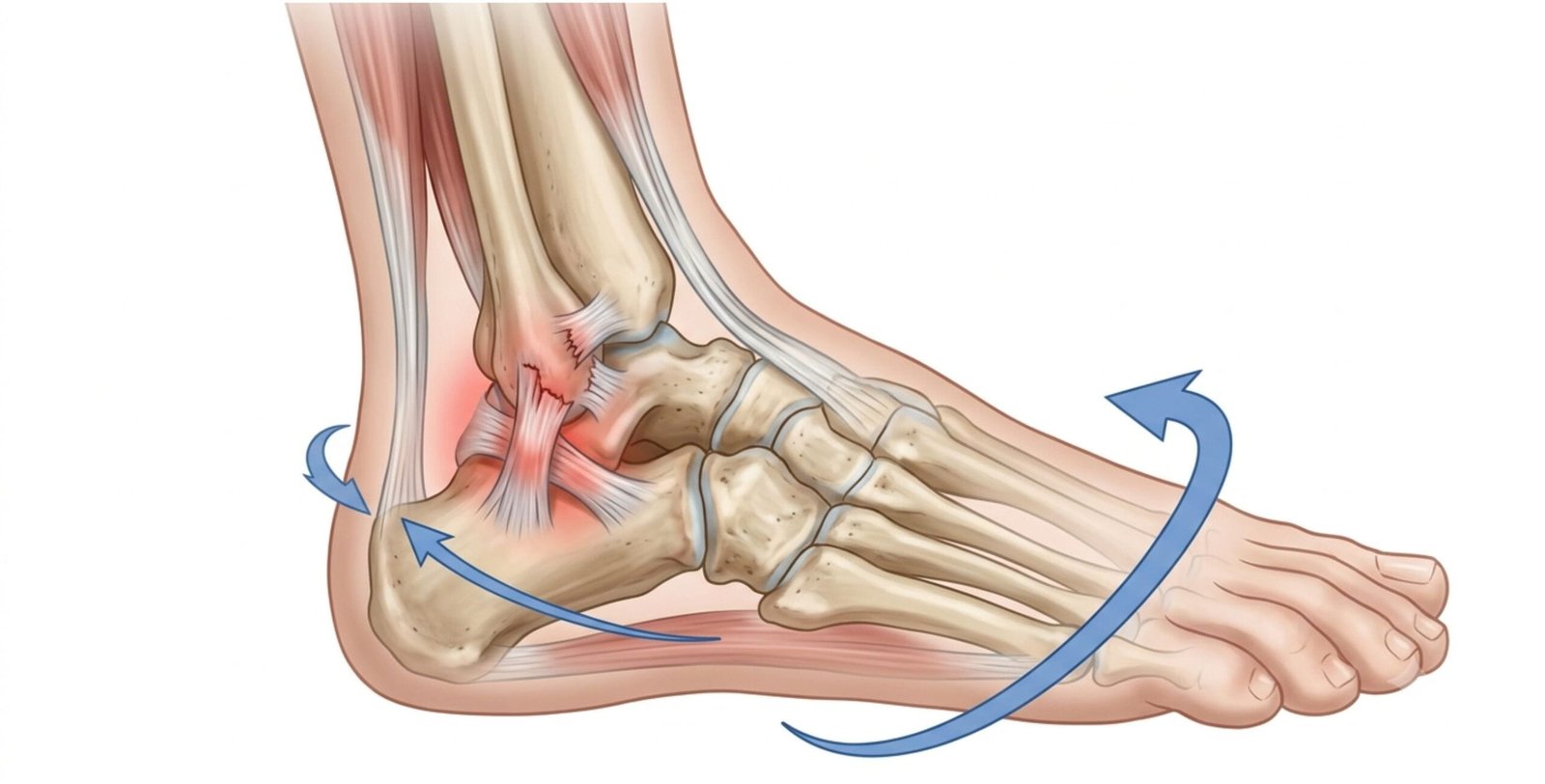
An ankle ligament injury occurs when the bands of tissue supporting the ankle joint are stretched or torn, usually from a sudden twist, fall, or awkward landing. It can range from a mild sprain to a complete tear, causing pain, swelling, and instability. Injuries are generally classified into three grades based on severity. With timely diagnosis and the right approach, most patients recover full ankle function without long-term complications.
Key Points to Know About Ankle Ligament Injury
- Ankle ligament injuries usually happen due to sudden twisting or rolling of the ankle.
- They are graded into three levels – mild, moderate, and severe.
- Diagnosis involves a physical examination along with imaging tests.
- Most mild to moderate injuries heal well with rest, bracing, and physiotherapy.
- Severe or repeated injuries may need more advanced medical care.
- Early evaluation helps prevent chronic instability and weakness.
What Is an Ankle Ligament Injury?
An ankle ligament injury, often called an ankle sprain, is one of the most common musculoskeletal injuries. The ankle joint is supported by ligaments that connect the bones and keep the joint stable during walking, running, and jumping. When the foot twists or rolls beyond its normal range, these ligaments can stretch or tear, leading to pain and swelling. Recognising the injury early and starting appropriate ankle ligament injury treatment can make a real difference in how quickly and completely the joint heals. Left unaddressed, even a minor sprain can lead to recurring instability over time.
What Are the Symptoms of an Ankle Ligament Injury?
Symptoms depend on the severity of the damage, but most people notice discomfort and swelling soon after the injury occurs. Milder cases may settle within a few days, while severe tears can cause lasting instability if untreated.
Common symptoms include:
- Sudden pain at the time of injury
- Swelling and bruising around the ankle
- Difficulty bearing weight on the affected foot
- A feeling of looseness or instability
- Stiffness and reduced range of motion
- Tenderness around the outer or inner ankle
Many patients also report a popping sensation at the moment of injury, often a sign that the ligament has been significantly stretched or torn.
What Causes an Ankle Ligament Injury?
Ankle ligament injuries can happen to anyone, but certain activities and conditions raise the risk.
Sports and Physical Activity
Sports involving running, jumping, or sudden changes in direction, such as basketball and football, carry a higher risk of ankle twists.
Uneven Surfaces and Falls
Walking or running on uneven ground, potholes, or stairs can cause the foot to roll unexpectedly.
Previous Ankle Injuries
A history of prior sprains often leaves the joint less stable, making repeat injuries more likely.
Footwear and Muscle Weakness
Unsupportive footwear or weak stabilising muscles around the ankle can also contribute to injury risk.
What Are the Different Grades of Ankle Ligament Injury?
Ankle ligament injuries are classified into three grades based on the extent of tissue damage.
Grade I (Mild Sprain)
The ligament is only slightly stretched. Pain and swelling are mild, and the joint stays stable enough for light activity.
Grade II (Moderate Sprain)
This involves a partial tear, causing moderate pain, swelling, and some looseness. Weight-bearing becomes noticeably difficult.
Grade III (Severe Tear)
This is a complete tear, resulting in significant swelling, instability, and an inability to bear weight. A structured approach to ankle-sprain recovery, guided by close medical supervision, plays an important role at this stage, since the joint often needs a longer and more gradual rehabilitation process.
How Is an Ankle Ligament Injury Diagnosed?
Diagnosis begins with a clinical evaluation of the injury and the patient’s ability to move and bear weight on the foot. The specialist checks for swelling, tenderness, and joint stability during the examination.
The doctor may assess:
- Range of motion and joint stability
- Areas of tenderness and swelling
- Ability to bear weight on the foot
- History of previous ankle injuries
X-rays are often used to rule out fractures, while an MRI may be recommended for a closer look at the ligaments when a severe tear is suspected.
Treatment Options for Ankle Ligament Injury
Treatment depends on the grade of the injury and how much the joint has been affected.
Rest, Ice, Compression, and Elevation (RICE)
For mild to moderate injuries, this method helps reduce swelling and pain in the initial days.
Physiotherapy and Exercises
A structured physiotherapy program restores strength, flexibility, and balance, lowering the risk of future injuries.
Bracing and Immobilization
Depending on severity, a brace, splint, or cast may protect the ligament and let it heal in a stable position.
Surgery for Severe Tears
Most patients recover without surgery. However, when the ligament is completely torn or the joint remains unstable despite conservative treatment, ankle ligament tear surgery may be recommended to repair the damaged tissue and restore normal joint function.
Can Ankle Ligament Injuries Be Prevented?
While not every injury can be avoided, certain precautions lower the risk. Proper footwear, warming up before activity, and strengthening the muscles around the ankle all improve joint stability. Being cautious on uneven surfaces and allowing enough time for complete healing after a previous sprain also reduce the chances of recurring injuries.
When Should You See a Doctor for an Ankle Ligament Injury?
You should consult a specialist if you experience:
- Severe pain or swelling that does not improve
- Inability to bear weight on the affected foot
- A visible deformity around the ankle
- Repeated episodes of ankle instability
- Symptoms that persist beyond a few weeks
Frequently Asked Questions (FAQs)
Can an ankle ligament injury heal on its own?
Mild sprains often improve with rest and basic care, but moderate to severe injuries usually need proper treatment to avoid long-term instability.
How long does recovery take?
Mild sprains may heal within a couple of weeks, while severe tears can take several months for full recovery.
Is physiotherapy necessary after an ankle sprain?
Yes, it restores strength, balance, and flexibility. It plays a key role in preventing the joint from becoming unstable again.
Can an ankle ligament injury happen again?
Yes, especially if the initial injury was not fully rehabilitated, since a weakened ligament is more prone to repeat sprains.
Ankle ligament injuries are common but manageable when addressed early and appropriately. Recognising the symptoms, understanding the grade of injury, and following the right rehabilitation approach can help restore full mobility and prevent long-term joint instability. If you are dealing with persistent ankle pain, swelling, or instability, consulting an experienced orthopaedic specialist in Nagpur can help you get an accurate diagnosis and a treatment plan suited to your specific injury, so you can return to your daily activities with confidence.