
Elbow Ligament Injury: Everything You Need to Know Before Treatment
Quick Answer
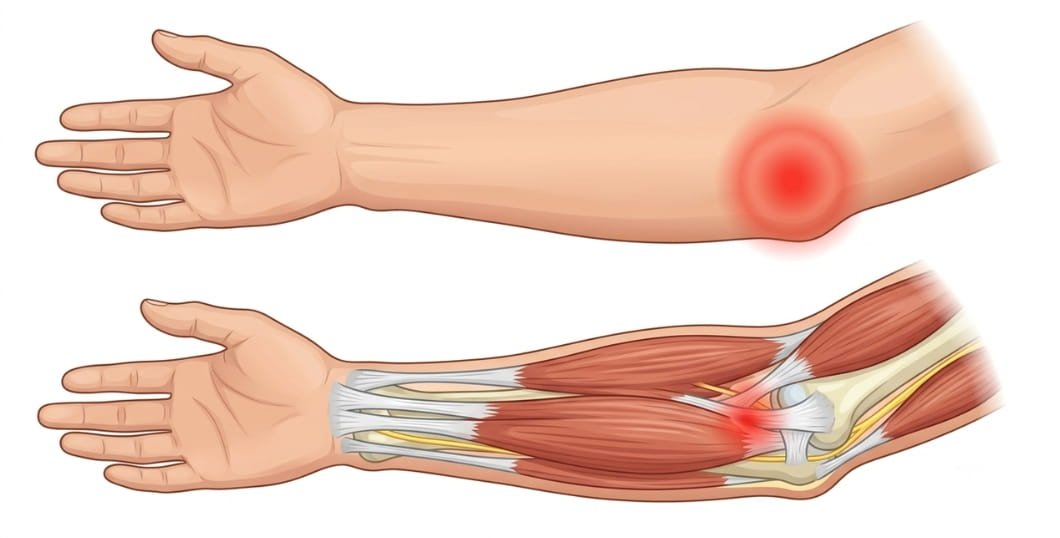
An elbow ligament injury occurs when the bands of tissue that stabilise the elbow joint are stretched or torn, usually from repetitive throwing motions, a fall, or a sudden twisting force. Symptoms include pain on the inner or outer elbow, swelling, and a feeling of looseness or instability during arm movement. Mild injuries often heal with rest, bracing, and physiotherapy, while severe tears may need surgical reconstruction to restore full function.
Key Points to Know
- The elbow relies on the ulnar collateral ligament and lateral collateral ligament for stability during bending, straightening, and rotation.
- Repetitive overhead throwing, heavy lifting, and falls onto an outstretched hand are common causes of injury.
- Pain, swelling, bruising, and a sense of the elbow “giving way” are typical warning signs.
- Diagnosis usually involves a physical examination along with X-rays or an MRI scan.
- Mild to moderate tears often respond well to rest, bracing, and structured rehabilitation.
- Severe or complete tears, especially in athletes, may require reconstruction to regain stability and strength.
Athletes, labourers, and even people who take a hard fall in daily life can end up with an elbow ligament tear, one of the more disabling injuries affecting the arm. The elbow depends on a network of ligaments to stay stable while lifting, throwing, or bearing weight, and when these fibres are overstretched or torn, everyday movements like turning a doorknob or carrying groceries can become painful.
Because the elbow is a hinge joint reinforced by ligaments on both its inner and outer sides, damage to either can affect strength, motion, and long-term joint health. Recognising the injury early and understanding the available treatment paths can make a significant difference in recovery.
This blog explains what causes elbow ligament injuries, how they present, and what treatment options are available, from conservative care to surgical repair.
What Causes an Elbow Ligament Tear?
Ligament injuries in the elbow typically result from either a single traumatic event or repeated stress over time.
Common causes include:
- A fall onto an outstretched or bent arm
- Sudden twisting or hyperextension of the elbow
- Repetitive overhead throwing, as seen in baseball, javelin, or racquet sports
- Direct blows to the elbow during contact sports
- Heavy or improper weightlifting technique
Throwing athletes are particularly prone to gradual wear of the ligament on the inner elbow due to the repetitive stress placed on the joint with every pitch or swing.
What Are the Symptoms of a Ligament Tear in the Elbow?
Symptoms vary depending on which ligament is affected and how severe the tear is, but common signs include:
Pain
Pain is usually felt along the inner or outer edge of the elbow and may worsen with gripping, throwing, or twisting motions.
Swelling and Bruising
Swelling often develops soon after the injury, and bruising may appear as blood collects around the damaged tissue.
Instability
A torn ligament can make the elbow feel loose or unstable, especially during activities that involve force or rotation, such as throwing or lifting.
Reduced Grip Strength
Many patients notice a drop in grip strength or a “popping” sensation at the time of injury, particularly with sudden traumatic tears.
How Is an Elbow Ligament Tear Diagnosed?
Diagnosis begins with a detailed history and a physical examination to assess pain location, joint stability, and range of motion.
An orthopaedic specialist may perform specific stress tests to check how the elbow responds under gentle pressure. Imaging studies such as X-rays help rule out fractures, while an MRI scan provides a clear picture of the ligament and surrounding soft tissue, confirming the location and severity of the tear.
Treatment Options for an Elbow Ligament Tear
Treatment depends on the severity of the injury, the patient’s activity level, and whether the ligament is partially or completely torn.
Rest and Activity Modification
Avoiding activities that stress the elbow, along with ice and anti-inflammatory measures, helps control initial pain and swelling.
Bracing
A hinged elbow brace can support the joint while it heals, allowing controlled movement without excessive strain on the healing ligament.
Physiotherapy
Structured rehabilitation focuses on restoring range of motion, followed by strengthening exercises for the muscles surrounding the elbow to compensate for ligament laxity.
Elbow Ligament Surgery
When a tear is complete, or when non-surgical treatment fails to restore stability, elbow ligament surgery may be recommended. This often involves reconstructing the damaged ligament using a tendon graft, a procedure commonly associated with athletes returning to throwing sports. Surgery aims to restore joint stability, allowing patients to regain strength and return safely to their usual activities.
Recovery and Rehabilitation After Treatment
Recovery timelines vary depending on whether treatment was surgical or non-surgical. Non-surgical recovery may take several weeks, while post-surgical rehabilitation can extend over several months.
A gradual rehabilitation program is essential in both cases, progressing from gentle motion exercises to strengthening and, eventually, sport-specific training for athletes hoping to return to competition.
When Should You See a Doctor?
Prompt medical evaluation is advised if you experience:
- Sudden elbow pain following an injury
- A popping sound at the time of injury
- Swelling that does not improve with rest
- A feeling of instability or weakness in the arm
- Difficulty straightening or bending the elbow fully
Frequently Asked Questions (FAQs)
Can a torn elbow ligament heal without surgery?
Many partial tears heal well with rest, bracing, and physiotherapy, though complete tears in high-demand athletes often require surgical reconstruction.
How long does it take to recover from an elbow ligament injury?
Non-surgical recovery may take six to twelve weeks, while surgical reconstruction typically requires nine to twelve months of rehabilitation before returning to sport.
Is surgery always needed for a ligament tear in the elbow?
No. Surgery is generally reserved for complete tears, chronic instability, or cases where non-surgical treatment has not restored adequate function.
Can an elbow ligament tear happen without sports involvement?
Yes. Falls, heavy lifting, and workplace injuries can also cause ligament damage in the elbow, not just athletic activity.
A ligament tear in elbow injuries requires accurate diagnosis, since the right treatment path depends heavily on how severe the damage is and how much stability the joint has lost. Ignoring persistent pain or instability can lead to long-term weakness and a higher risk of re-injury, so early evaluation matters.
With timely diagnosis and the right elbow ligament tear treatment in Nagpur, whether through rest and physiotherapy or surgical reconstruction, most patients regain stable, functional use of their arm and can return to work, sport, or daily activities with confidence.