
Tennis Elbow: Causes, Symptoms, Treatment & Recovery
Quick Answer:
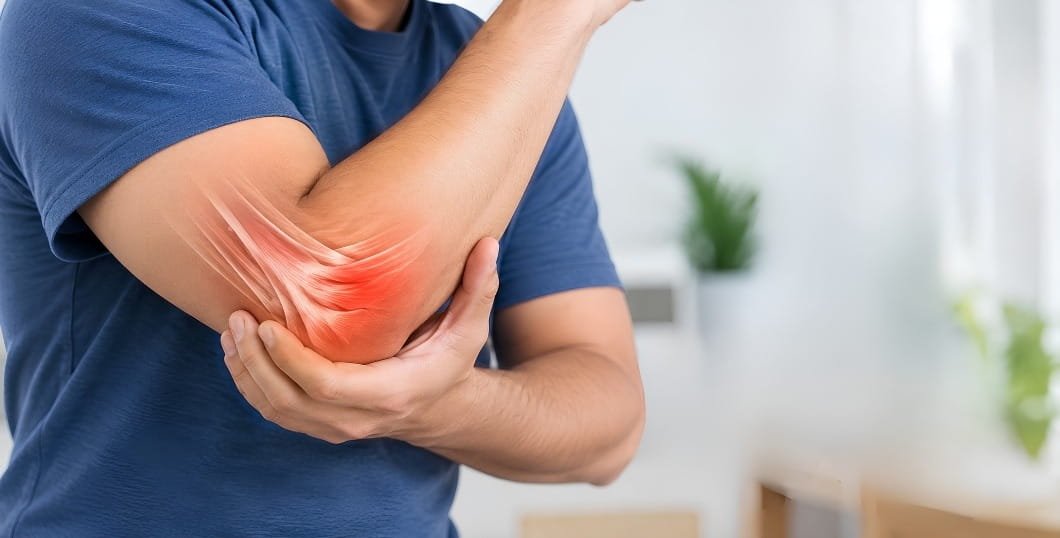
Tennis elbow is a common overuse condition that causes pain and tenderness on the outer side of the elbow. Despite its name, it does not affect only tennis players. Repetitive activities such as typing, lifting, painting, gardening, using tools, or playing racquet sports can place repeated stress on the tendons around the elbow. Early symptoms may include pain while gripping or lifting objects, reduced grip strength, and discomfort during wrist movements. Most cases can improve with activity modification, physiotherapy, rest, and other non-surgical measures. Persistent or severe symptoms may require further evaluation by an orthopaedic specialist.
Key Points to Know
- Tennis elbow affects the tendons attached to the outer side of the elbow.
- Repetitive wrist and forearm movements are common triggers.
- You do not have to play tennis to develop the condition.
- Pain may become noticeable while gripping, lifting, twisting, or using the wrist.
- Early treatment can help reduce symptoms and restore normal arm function.
- Physiotherapy and activity modification are often important parts of recovery.
- Surgery may be considered in selected cases when symptoms continue despite appropriate non-surgical treatment.
What Is Tennis Elbow?
Tennis elbow, medically known as lateral epicondylitis, develops when the tendons that connect the forearm muscles to the outer part of the elbow are repeatedly stressed. Repeated loading can cause small tendon injuries and irritation, resulting in pain and reduced function.
The condition is often associated with activities that require frequent wrist extension or gripping. Tennis players may develop it because of repetitive racket movements, but everyday activities can also place similar stress on the elbow.
The pain usually develops gradually rather than appearing suddenly. It may initially be mild and noticeable only during certain activities. Without appropriate care, the discomfort can become more persistent and interfere with work, exercise, household activities, and other daily movements.
What Are the Common Causes of Tennis Elbow?
Understanding the cause of tennis elbow can help identify activities that may be placing excessive stress on the affected tendons.
1. Repetitive Wrist Movements
Repeated bending, straightening, or rotating of the wrist can gradually overload the forearm tendons. Typing, using a computer mouse, sewing, or other repetitive tasks may contribute to tendon irritation.
2. Sports Activities
Tennis, badminton, squash, and other racquet sports can increase stress on the elbow, particularly when technique, equipment, or training load is not appropriate.
3. Manual Work
People involved in painting, carpentry, plumbing, construction, gardening, or similar occupations may repeatedly grip and use tools, increasing strain on the forearm.
4. Heavy Lifting
Repeatedly lifting or carrying heavy objects can place additional load on the muscles and tendons around the elbow.
5. Sudden Increase in Activity
Starting a new sport, exercise routine, or physically demanding activity too quickly can increase the risk of tendon overload.
What Are the Symptoms of Tennis Elbow?
The most common symptom is pain or tenderness over the outer side of the elbow. The discomfort may gradually extend into the forearm and become more noticeable during activities involving the wrist or hand.
Other symptoms may include:
- Pain while gripping or lifting objects
- Weak grip strength
- Difficulty opening jars or turning handles
- Pain while shaking hands
- Discomfort when extending the wrist
- Tenderness around the outer elbow
- Stiffness or soreness after repetitive activity
Symptoms can vary from person to person. Some people experience discomfort only during activity, while others may develop pain even during routine movements.
How Long Does Tennis Elbow Take to Improve?
Patients often want to know about tennis elbow recovery , especially when the pain starts affecting their work or daily activities. Recovery varies depending on the severity of tendon irritation, how long the symptoms have been present, activity levels, and how well the condition responds to treatment.
Mild cases may gradually improve after reducing aggravating activities and following a suitable rehabilitation programme. More persistent cases may take longer and require structured physiotherapy and medical management.
Continuing activities that repeatedly trigger pain can delay recovery. This is why identifying the movements that aggravate symptoms and modifying them can be an important part of the healing process.
How Is Tennis Elbow Diagnosed?
Diagnosis generally begins with a detailed medical history and physical examination. An orthopaedic specialist may ask about your daily activities, occupation, sports participation, previous injuries, and the movements that make the pain worse.
During the examination, the doctor may assess:
- Location and severity of pain
- Elbow movement
- Wrist movement
- Grip strength
- Tenderness around the affected tendon
- Pain during specific resistance movements
Imaging is not always necessary, but an X-ray, ultrasound, or MRI may be recommended when the diagnosis is unclear or when another elbow condition needs to be ruled out.
Treatment Options for Tennis Elbow
Treatment depends on the severity and duration of symptoms. Many patients can improve without surgery when treatment is started appropriately.
Rest and Activity Modification
Reducing activities that aggravate the elbow gives the irritated tendon an opportunity to recover. This does not necessarily mean complete inactivity. Instead, movements that repeatedly increase pain may need to be modified.
Physiotherapy
A physiotherapy programme may include stretching, strengthening exercises, and gradual loading of the forearm muscles. These exercises can help improve tendon capacity and restore strength and movement.
Bracing or Support
An elbow brace or forearm support may sometimes be recommended to reduce stress on the affected tendon during activities.
Ice and Pain Management
Ice application may help relieve discomfort after aggravating activities. A doctor may also recommend appropriate medication depending on the individual’s symptoms and medical history.
Injections
In selected cases, an orthopaedic specialist may consider an injection-based treatment depending on the condition and clinical assessment. The appropriate option should be determined after evaluation rather than used routinely.
Surgery
Most people with tennis elbow do not require surgery. However, surgery may be considered when symptoms remain persistent despite appropriate non-surgical treatment and continue to significantly affect function. The procedure focuses on addressing damaged tendon tissue and improving tendon healing.
How Can Tennis Elbow Be Prevented?
Preventing repeated overload is an important part of protecting the elbow.
Consider these measures:
- Take regular breaks during repetitive work.
- Use proper technique during sports and exercise.
- Avoid sudden increases in training intensity.
- Strengthen the forearm and wrist muscles gradually.
- Use ergonomic equipment when working at a desk.
- Maintain proper wrist positioning while typing.
- Use suitable tools for repetitive manual work.
- Do not ignore persistent elbow pain.
If discomfort continues despite rest or begins interfering with everyday activities, professional evaluation can help identify the underlying problem.
Frequently Asked Questions
No. Tennis elbow can affect people who have never played tennis. Repetitive gripping, wrist movements, manual work, computer use, and household activities can also place stress on the elbow tendons.
Yes. Many cases improve with conservative treatment such as activity modification, physiotherapy, appropriate exercises, and symptom management. Surgery is generally reserved for selected persistent cases.
Exercise may be possible, but activities that increase elbow pain should be modified. A physiotherapist or orthopaedic specialist can recommend appropriate exercises based on your condition.
You should consider an evaluation if elbow pain persists, repeatedly returns, becomes more severe, affects your grip, or interferes with work and daily activities.
Yes. Returning too quickly to repetitive activities or sports without adequate strengthening and technique correction may increase the risk of recurring symptoms.
Tennis elbow can affect athletes, working professionals, and people involved in everyday repetitive activities. Although it is often a gradual condition, persistent pain should not be ignored. Identifying the underlying triggers, modifying aggravating activities, and following an appropriate rehabilitation programme can support recovery and help restore normal elbow function.
If elbow pain continues despite rest or begins affecting your daily activities, seeking an evaluation from an experienced orthopaedic specialist can help determine the right approach. For individuals seeking tennis elbow treatment in Nagpur, Dr Nawaid Ahmed provides orthopaedic evaluation and personalised treatment options based on the severity and specific needs of each patient.