
Knee Pain After an Injury? Know the Signs of a Ligament Tear
Quick Answer:
A knee ligament injury can happen when the knee is suddenly twisted, stretched, or hit with significant force. It is common among athletes but can also occur during falls, accidents, sudden changes in direction, or everyday physical activities. The knee contains four major ligaments that help provide stability and control movement. When one of these ligaments is stretched or torn, symptoms may include pain, swelling, stiffness, difficulty walking, and a feeling that the knee may give way. Early evaluation can help determine the severity of the injury and guide an appropriate treatment and rehabilitation plan.
Key Points to Know
- Knee ligament injuries can occur during sports, falls, or sudden twisting movements.
- The ACL, PCL, MCL, and LCL are the four major ligaments of the knee.
- Pain and swelling are common after a ligament injury.
- Some injuries may cause a popping sensation at the time of the incident.
- Knee instability or a feeling that the knee is giving way should not be ignored.
- Diagnosis may involve a physical examination and imaging when required.
- Treatment depends on the ligament affected, injury severity, activity level, and overall knee function.
- Physiotherapy and rehabilitation can play an important role in recovery.
- Severe ligament tears may require surgical treatment in selected cases.
What Is a Knee Ligament Injury?
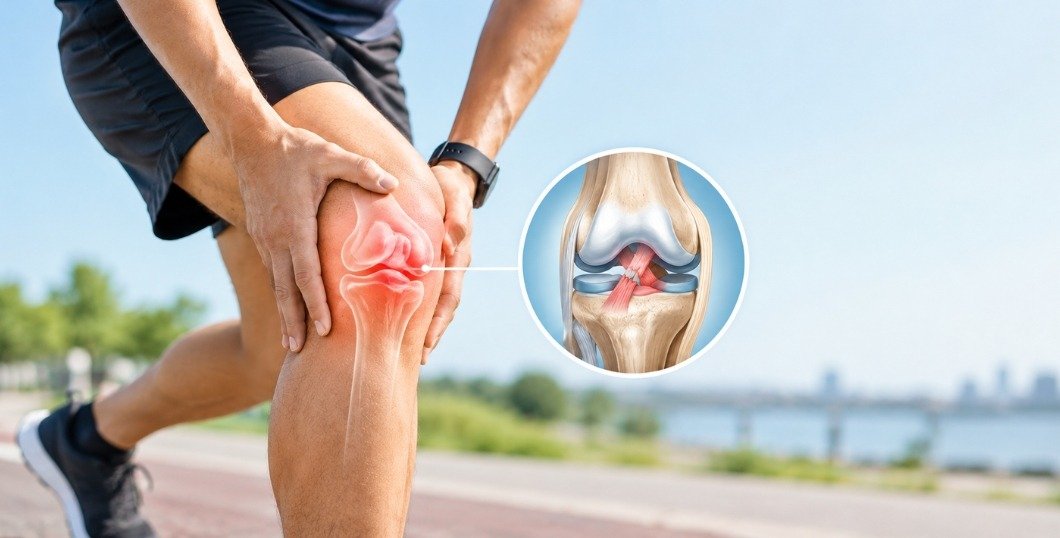
Ligaments are strong bands of connective tissue that connect bones and help keep joints stable. The knee has four main ligaments: the anterior cruciate ligament (ACL), posterior cruciate ligament (PCL), medial collateral ligament (MCL), and lateral collateral ligament (LCL).
A ligament injury occurs when one of these structures is overstretched or torn. The injury may be classified as a sprain or a partial or complete tear, depending on the extent of ligament damage.
An ACL injury is often associated with sudden changes in direction, landing incorrectly after a jump, or rapidly stopping while running. PCL injuries may occur after a strong impact to the front of the knee or during certain falls. MCL and LCL injuries are commonly associated with forces that push the knee sideways.
Not every ligament injury is the same. Some people may experience mild discomfort and continue walking, while others may have significant swelling and difficulty putting weight on the affected leg.
What Causes a Knee Ligament Injury?
Knee ligaments can be injured through different types of force or movement.
1. Sudden Twisting
A rapid change in direction while running or playing sports can place excessive stress on the knee ligaments. This is a common mechanism for ACL injuries.
2. Sports Injuries
Football, basketball, cricket, badminton, skiing, and other sports involving jumping, pivoting, or sudden movements can increase the risk of ligament sports injuries.
3. Falls
Landing awkwardly after a fall or jump may cause the knee to twist beyond its normal range of movement.
4. Direct Impact
A strong blow to the knee can damage one or more ligaments. Contact sports and road accidents are possible situations where this can occur.
5. Sudden Stops
Stopping suddenly while running can place considerable stress on the structures that stabilise the knee, particularly when combined with a twisting movement.
What Are the Symptoms of a Knee Ligament Injury?
Symptoms can vary depending on which ligament has been affected and whether the injury is partial or complete. Some injuries produce immediate symptoms, while others may become more noticeable over time.
Common symptoms include:
- Knee pain after an injury
- Swelling around the knee
- Difficulty putting weight on the leg
- Reduced range of motion
- Knee stiffness
- Tenderness around the injured area
- A popping or snapping sensation at the time of injury
- Difficulty walking or running
- A feeling that the knee is unstable
- The knee giving way during movement
One ligament tear knee symptom that may be particularly concerning is instability. A person may feel as though the knee cannot properly support their weight or may suddenly shift during walking, turning, or physical activity.
What Is a Sign of Knee Ligament Injury?
Recognising the sign of knee ligament injury early can help you decide when professional assessment is necessary. Although symptoms differ between individuals, certain signs may indicate that the knee has sustained more than a simple strain.
Knee Instability
If the knee repeatedly feels like it is giving way, this may indicate damage to one of the stabilising ligaments.
Rapid Swelling
Significant swelling that develops soon after an injury may occur with certain ligament injuries and should be evaluated.
Popping Sensation
Some people report hearing or feeling a pop when the injury occurs, particularly with ACL injuries.
Difficulty Bearing Weight
Pain or instability that makes it difficult to stand or walk comfortably may indicate a more significant injury.
Restricted Movement
Difficulty fully bending or straightening the knee can occur because of swelling, pain, or damage within the joint.
These signs do not confirm a ligament tear on their own. A proper examination is needed to determine the actual cause of knee symptoms.
How Is a Knee Ligament Injury Diagnosed?
Diagnosis usually starts with a detailed medical history and physical examination. An orthopaedic specialist may ask how the injury happened, whether there was a popping sensation, when swelling developed, and whether the knee feels unstable.
During the examination, the doctor may assess:
- Knee stability
- Range of motion
- Swelling and tenderness
- Ability to bear weight
- Ligament-specific movement tests
- Muscle strength
- Overall knee function
Imaging may be recommended depending on the injury. X-rays can help identify certain bone injuries, while MRI scans can provide detailed information about the ligaments and other soft tissues inside the knee.
An accurate diagnosis is important because symptoms from ligament injuries can sometimes resemble those of meniscus injuries, cartilage problems, or other knee conditions.
Treatment Options for Knee Ligament Injuries
Treatment depends on the type of ligament affected, severity of the injury, symptoms, knee stability, physical activity, and individual goals.
Rest and Activity Modification
Initially, activities that increase pain or instability may need to be reduced. Avoiding movements that place excessive stress on the injured knee can help protect the joint during the early phase of recovery.
Ice and Elevation
Cold application may help manage swelling and discomfort after an injury. Keeping the leg elevated when appropriate may also help reduce swelling.
Bracing and Support
A knee brace may sometimes be recommended to provide additional support and stability while the ligament heals or during rehabilitation.
Physiotherapy
Physiotherapy is an important component of many knee ligament injury recovery plans. Exercises may focus on restoring knee movement, improving muscle strength, developing balance, and gradually returning to normal activities.
A structured rehabilitation programme can also help strengthen the muscles around the knee and improve joint control.
Medication
Depending on the individual’s symptoms and medical history, a doctor may recommend appropriate medication to help manage pain and inflammation.
Surgical Treatment
Some complete ligament tears, particularly injuries that result in significant instability, may require surgical reconstruction. Surgery may also be considered for individuals who need a high level of knee stability for sports or physically demanding activities.
The decision for surgery depends on several factors and should be made after a detailed orthopaedic assessment.
How Can Knee Ligament Injuries Be Prevented?
Although not every knee injury can be prevented, certain measures may reduce the risk.
- Warm up properly before sports or exercise.
- Strengthen the muscles around the knee and hips.
- Improve balance and coordination.
- Use proper technique when jumping and landing.
- Avoid sudden increases in training intensity.
- Wear appropriate footwear for your activity.
- Follow sport-specific conditioning programmes.
- Give your body adequate recovery between demanding activities.
- Do not ignore recurring knee pain or instability.
People returning to sports after a previous ligament injury should follow a gradual rehabilitation and return-to-activity programme.
Frequently Asked Questions
Some partial ligament injuries may improve with appropriate non-surgical treatment and rehabilitation. However, complete tears and injuries associated with significant instability may require further orthopaedic evaluation and, in selected cases, surgery.
Some people can walk after a ligament tear, while others may have significant pain or instability. Being able to walk does not necessarily mean that the ligament is not injured.
Significant swelling, severe pain, difficulty bearing weight, a popping sensation, or repeated knee instability should be evaluated by an orthopaedic specialist.
Physiotherapy can help restore movement, strength, balance, and knee stability. The rehabilitation programme should be tailored to the specific injury and treatment approach.
Many people can return to sports after appropriate treatment and rehabilitation. The timing depends on the ligament involved, injury severity, recovery progress, strength, stability, and the demands of the sport.
A knee injury can sometimes be more than a temporary strain, particularly when pain is accompanied by swelling, instability, restricted movement, or a popping sensation. Identifying the symptoms early and getting an accurate diagnosis can help prevent further stress on the injured knee and support an appropriate recovery plan.
Whether the injury occurred during sports, exercise, a fall, or another physical activity, persistent pain or instability should not be ignored. An orthopaedic evaluation can help determine whether the ligament is stretched, partially torn, or completely damaged and whether conservative care, rehabilitation, or another treatment approach is appropriate.
If you are looking fo knee ligament injury treatment in Nagpur, Dr. Nawaid Ahmed provides orthopaedic evaluation and personalised treatment based on the nature and severity of the knee injury, helping patients work towards improved stability, movement, and function.