
Alternative Knee Surgery Procedures: Beyond Replacement
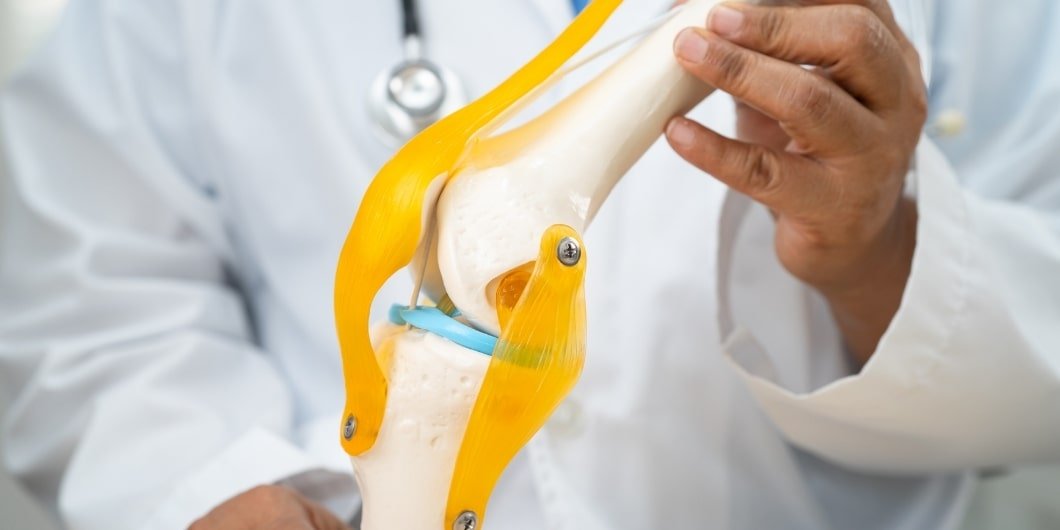
Knee pain does not always mean you need a total knee replacement. Today, advanced orthopaedic care offers several alternative knee surgery procedures that can reduce pain, improve mobility, and delay – or even avoid — full replacement. These modern techniques are especially helpful for younger, active patients or those with damage limited to one part of the knee. From arthroscopy and meniscus repair to cartilage restoration, osteotomy, and partial knee replacement, each option focuses on preserving natural joint structures while improving long-term function. Understanding these alternatives helps patients make informed decisions, choose personalised treatment plans, and avoid unnecessary major surgery.
Why “beyond replacement” matters
Total knee replacement (TKR) is a proven, excellent operation for late-stage, widespread arthritis. But TKR is a major operation and — especially for younger or more active patients — there are reasons to consider alternatives first:
- Many alternatives preserve bone and soft tissues, keeping future options (including replacement) open.
- Some operations correct alignment (re-distributing load) and can relieve pain for years without replacing the joint.
- Others repair or restore cartilage and meniscus, aiming to return near-normal joint mechanics rather than substitute an artificial joint.
- For athletes or working adults, options that restore native anatomy often allow faster return to activity.
Each alternative procedure has specific indications and trade-offs. The key is careful patient selection and a surgeon experienced in cartilage, ligament and alignment surgery.
1. Arthroscopic procedures — the keyhole workhorse
What it is: Arthroscopy is a minimally invasive “keyhole” surgery using a small camera and specialised instruments introduced through tiny incisions. It is widely used for diagnosis and to treat discrete intra-articular problems.
Common arthroscopic procedures
- Meniscus repair (stitching the torn meniscus) or partial meniscectomy (trimming a torn, irreparable part).
- Debridement (removal of loose cartilage or inflamed tissue).
- Microfracture or other cartilage stimulation techniques (small holes made in bone to recruit healing cells).
- Ligament reconstruction (e.g., ACL reconstruction often done arthroscopically).
Who benefits: Younger patients with isolated mechanical problems — a painful meniscal tear, loose fragment, or ACL injury — often benefit from arthroscopy. Where the meniscus can be repaired rather than removed, the knee retains its load-sharing cushion and long-term arthritis risk is reduced. Arthroscopy is also commonly used as a diagnostic step before more complex procedures.
Limitations & outcomes: Not every arthroscopy reduces pain in degenerative arthritis; indiscriminate arthroscopy for advanced osteoarthritis is generally discouraged. When used appropriately (e.g., repairing a traumatic meniscus tear in a young patient), outcomes are good and rehabilitation is faster than open surgery.
2. Meniscus repair and meniscal transplantation
Why the meniscus matters: The menisci are crescent-shaped cushions between the femur and tibia. Losing meniscal tissue (especially after meniscectomy) increases contact stress on cartilage and accelerates arthritis.
Meniscus repair
- When a tear is in a vascular zone and in a younger patient, surgeons attempt repair (sutures) rather than trimming. Repair helps preserve shock-absorption and joint longevity.
Meniscal allograft transplantation (MAT)
- For patients who previously had a large meniscectomy and now suffer pain but have acceptable cartilage and alignment, meniscal transplantation using donor tissue can relieve symptoms and delay arthritis progression. Long-term studies report promising graft survivorship and functional improvement in selected patients.
Who is suitable: Typically younger (under ~50), active patients with focal meniscal absence, reasonable cartilage condition and correctable alignment. It is not a universal solution — patient selection is crucial.
3. Cartilage restoration: microfracture, OATS, ACI/MACI
Articular cartilage has limited self-healing. Modern cartilage procedures aim to repair or replace focal cartilage defects rather than replace the whole joint.
Microfracture
- A simple, single-stage technique where tiny holes are made in the bone beneath a cartilage defect to stimulate a healing response. It is inexpensive and useful for small defects, but the new tissue is fibrocartilage (not true hyaline cartilage) and durability can be limited.
Osteochondral autograft transfer (OATS / mosaicplasty)
- Healthy cartilage-bone plugs are harvested from low-load zones and transplanted into a defect. This is a single-sitting option that restores native hyaline cartilage in the repaired area. Good outcomes in small to medium defects have been reported.
Autologous chondrocyte implantation (ACI / MACI)
- This is a two-stage biological repair. Cartilage cells (chondrocytes) are harvested arthroscopically, expanded in the laboratory and re-implanted into the defect under a membrane (MACI is a modern scaffold-based version). ACI/MACI is appropriate for larger defects and younger patients and has shown meaningful improvements in function in many series.
Choosing between them: Size, depth, patient age, activity expectations and defect location guide the choice. Microfracture is simpler but less durable for larger lesions; OATS is excellent for medium-sized focal defects; ACI/MACI is helpful for larger defects where durable hyaline restoration is desired.
4. Osteotomy — realigning the limb to unload the damaged compartment
What is an osteotomy?
An osteotomy involves cutting and realigning the bone (most commonly the tibia or femur) so that body weight passes through the healthier compartment of the knee rather than the worn out area. The classic example is High Tibial Osteotomy (HTO) for medial compartment osteoarthritis with varus (bow-legged) alignment. There is also Distal Femoral Osteotomy (DFO) for lateral compartment disease or valgus deformity.
How it helps: By shifting load away from the damaged compartment, osteotomy reduces pain and improves function — often delaying the need for replacement by 8–10 years or more in properly selected patients. HTO preserves the native joint and is especially attractive for active, younger patients with unicompartmental disease and good range of motion.
Recovery & expectations: Osteotomy is a bigger operation than arthroscopy. It requires careful rehabilitation and sometimes a period of protected weight bearing. Many patients return to demanding activities and sports; however, the benefits gradually diminish over years and some will eventually need joint replacement.
Risks: Non-union, infection, hardware irritation and over/under correction are potential issues. Careful planning and execution reduce these risks.
5. Unicompartmental knee arthroplasty (UKA) — a partial replacement
Where it fits: When arthritis is confined strictly to one compartment of the knee (usually the medial compartment), unicompartmental knee arthroplasty — sometimes called partial knee replacement — replaces only the diseased compartment and preserves the rest of the knee.
Advantages over total replacement
- Smaller incisions, bone preservation, more physiological knee kinematics, quicker recovery and often better early function. Some studies show faster recovery and improved early function versus TKA. However, revision risk may be higher in some series, and strict selection is essential.
Who is suitable: Patients with isolated, well-defined unicompartmental arthritis, intact ligaments and correctible deformity. UKA is a middle path between biological restoration/osteotomy and TKR.
6. Ligament reconstruction (ACL, PCL, multiligament repair)
Ligament injuries — especially ACL ruptures — can lead to instability, secondary meniscal and cartilage damage and early arthritis if untreated. Reconstruction restores stability and can allow return to sporting activities.
Techniques & graft choices: ACL reconstruction uses autograft (patient’s own hamstring, patellar tendon) or allograft. Modern arthroscopic techniques, anatomical tunnel placement and rehabilitation protocols give excellent outcomes in returning athletes to play.
Why it matters beyond replacement: A stable knee is less likely to develop progressive joint damage. For younger patients whose arthritis is not yet advanced, addressing instability can prevent the cascade that eventually leads to replacement.
How surgeons decide which procedure to offer
Proper selection is critical. An orthopaedic surgeon will assess:
- Age and activity level — Younger, active patients are often steered toward joint-preserving options.
- X-ray and MRI findings — How much of the joint is affected? Focal defects favour cartilage repair; diffuse, multi-compartment disease may need replacement.
- Alignment — Varus or valgus malalignment may be corrected with osteotomy if an isolated compartment is damaged.
- Ligament status — Instability often requires ligament reconstruction first.
- Patient goals and comorbidities — Return to sport? Occupation? Diabetes or smoking status that may affect healing?
A combination approach is common: for example, an HTO combined with meniscal transplantation or cartilage repair in a younger patient gives structural realignment plus biological restoration.
Frequently Asked Questions (FAQ)
Q: I’m 45 with medial knee pain — should I directly go for a knee replacement?
Not necessarily. If the disease is limited to the medial compartment and your ligaments are intact, options like HTO or UKA may relieve pain while preserving bone. Discuss imaging and surgeon opinion.
Q: Is meniscus repair always better than removal?
When the tear is repairable (younger patient, vascular zone), repair is preferred because it preserves meniscal function. However, irreparable degenerative tears in older patients may be treated with partial meniscectomy or conservative care.
Q: How long will the benefits of osteotomy last?
Many patients get 8–10 years or more of meaningful relief; some longer. The exact duration varies by age, activity and disease progression.
Q: Can I combine procedures?
Yes. Osteotomy is often combined with cartilage repair or meniscal transplantation to address alignment and joint surface in a single plan.
Knee surgery is no longer a single “replacement” decision. Modern orthopaedics offers a spectrum of options that can preserve tissue, restore anatomy and function, and delay or even avoid total replacement. The best approach is individualised — matching the procedure to your age, activity, imaging, alignment and life goals.
If you are experiencing persistent knee pain or instability, the next step is an informed consultation: clinical examination, weight-bearing X-rays and MRI where indicated. Discuss the full range of options — from conservative care and injections to cartilage restoration, osteotomy, meniscal transplantation and partial replacement — and choose the path that fits your life and expectations.