Bow Legs or Knock Knees? How to Tell Normal Growth from a Real Problem
Quick Answer
Most young children pass through a bow-legged phase and later a knock-kneed phase as their legs grow and straighten. These changes are usually harmless and settle by the early school years. A child whose legs look uneven, whose curve is getting worse, or who has pain or a limp should be assessed by an orthopedic specialist.
Key Points
- Bow legs are common in toddlers and usually straighten by the age of two to three.
- Knock knees often appear between three and six years and usually correct by seven or eight.
- A curve that affects only one leg, keeps worsening, or causes pain needs medical review.
- Vitamin D deficiency, Blount’s disease, and past injuries can cause curves that do not self-correct.
- Early assessment helps decide between watchful waiting and active treatment.
Why Leg Alignment Worries So Many Parents
Every parent watches a child’s first steps closely, and a visible curve in the legs can cause real worry. Understanding bow legs vs. normal legs helps you tell healthy development from a condition that needs attention. Children’s bones are soft and still shaping themselves, so the angle between the thigh and shin changes noticeably over the first decade of life. What looks alarming at two years may be completely expected, while a subtle change at ten years may deserve a closer look.
What Is Considered Normal in a Growing Child?
The bow-legged phase of early childhood
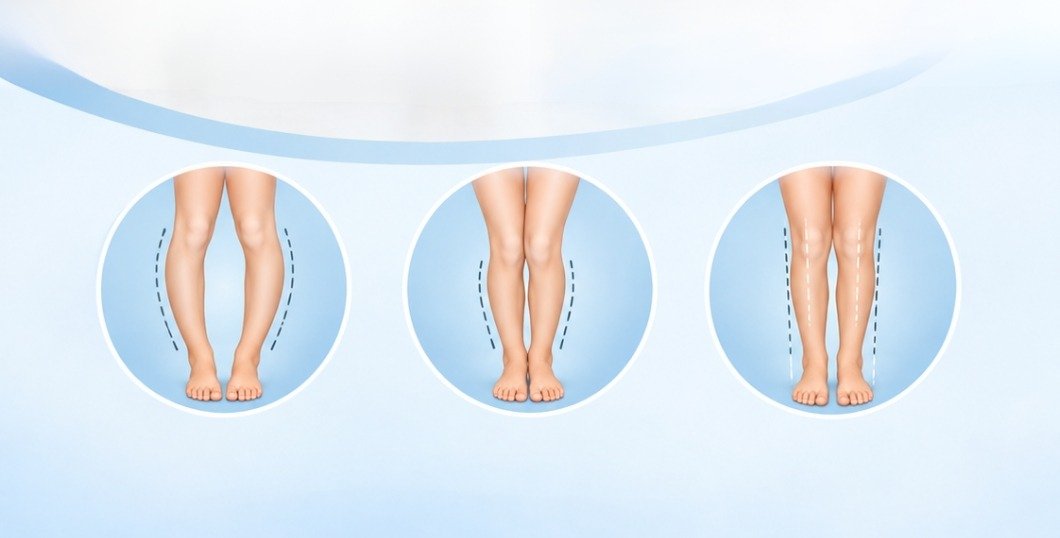
Babies are born with legs that curve outward, a posture shaped by the cramped position inside the womb. Once a child starts standing and walking, body weight gradually pulls the legs straighter. Many families ask, are bow legs normal, and the honest answer depends on age. In a toddler below the age of three, a symmetrical outward curve is a normal stage. The knees stay apart when the ankles are together, and both legs look alike.
The knock-kneed phase that follows
Between the ages of three and six, the legs often swing the other way. The knees come close together while the ankles stay apart. In most cases this is also a phase, and the legs move toward a neutral alignment by the early school years. Knowing how knock knees vs normal knees appear at different ages can prevent needless anxiety, since mild inward angling is common in children between three and eight years.
Signs That Deserve a Specialist’s Attention
Growth-related curves are symmetrical, gentle, and improve with time. Certain features suggest that something else is happening:
- The curve affects only one leg, or one leg looks clearly different from the other.
- The bowing is getting more pronounced after the age of three.
- Knock knees are severe or still present after the age of eight to ten.
- The child has knee pain, a limp, or tires much faster than other children.
- The child is short for their age or shows other signs of delayed growth.
- The curve appears suddenly after an injury or infection.
If you notice any of these, an assessment is advisable rather than waiting for the child to grow out of it.
Conditions That Can Cause Curves That Do Not Correct
Vitamin D deficiency and rickets
Low vitamin D or calcium weakens growing bones, so they bend under body weight. This type of curve usually affects both legs and may come with delayed walking or bone tenderness. Blood tests and an X-ray confirm the diagnosis, and correcting the deficiency often improves the alignment when found early.
Blount’s disease
This is a growth disorder of the upper shin bone near the knee. It causes the shin to angle inward and tends to worsen over time, often on one side. It is seen more often in children who walk very early or carry extra body weight. Early diagnosis matters because a mild case may respond to bracing, while an advanced case may need surgery.
Injury, infection, and other bone conditions
A fracture near the growth plate, a bone infection, or an inherited bone condition can disturb normal growth and produce an uneven curve. These situations need proper evaluation and are not expected to correct themselves.
How Doctors Assess Leg Alignment
An orthopedic specialist begins by looking at the child standing and walking, measuring the gap between the knees or ankles, and comparing both legs. The doctor also asks about the child’s diet, birth history, walking age, and any family history of bone problems. An X-ray of both legs standing is the usual next step. It lets the doctor measure the exact angle of the bones and check the growth plates. Blood tests are added when rickets or another metabolic cause is suspected. This careful approach separates a harmless phase from a condition that needs a plan.
Treatment Options
Most children need no treatment at all, only periodic review to confirm the legs are straightening on schedule. When a cause is found, the approach is matched to it:
- Observation: For normal developmental curves, regular check-ups every six months are enough.
- Nutritional correction: Vitamin D and calcium supplementation, with more sunlight and a balanced diet, treat deficiency-related curves.
- Bracing: Special braces can guide growth in selected cases of early Blount’s disease.
- Guided growth surgery: A small procedure slows growth on one side of the growth plate so the bone straightens as the child grows.
- Corrective osteotomy: In severe or late cases, the bone is cut and realigned to restore a normal axis.
Frequently Asked Questions
Concern begins if the curve persists or worsens after the age of three, affects only one leg, or comes with pain or a limp.
No. Normal curves correct themselves with growth, and exercises or shoes do not change bone alignment. Treatment is needed only when an underlying condition is found.
Mild inward angling in an older child may be harmless, but severe knock knees, pain around the kneecap, or uneven legs should be examined. Early assessment protects the knee joints in adulthood.
Persistent, severe curves can overload one side of the knee and may lead to early wear of the joint. This is why timely evaluation of abnormal curves is helpful.
A bow-legged toddler or a knock-kneed primary school child is usually just growing the way children do. The real task for parents is spotting the exceptions, such as one-sided curves, worsening alignment, pain, or a limp. Timely assessment gives the best chance to correct a problem while the bones are still growing. If you are looking for the best orthopedic doctor Nagpur offers for children’s and adults’ bone and joint concerns, consult Dr. Nawaid Ahmed for a thorough evaluation and a clear plan for your child.