Bow Legs vs Knock Knees: What’s Normal and What Needs Treatment?
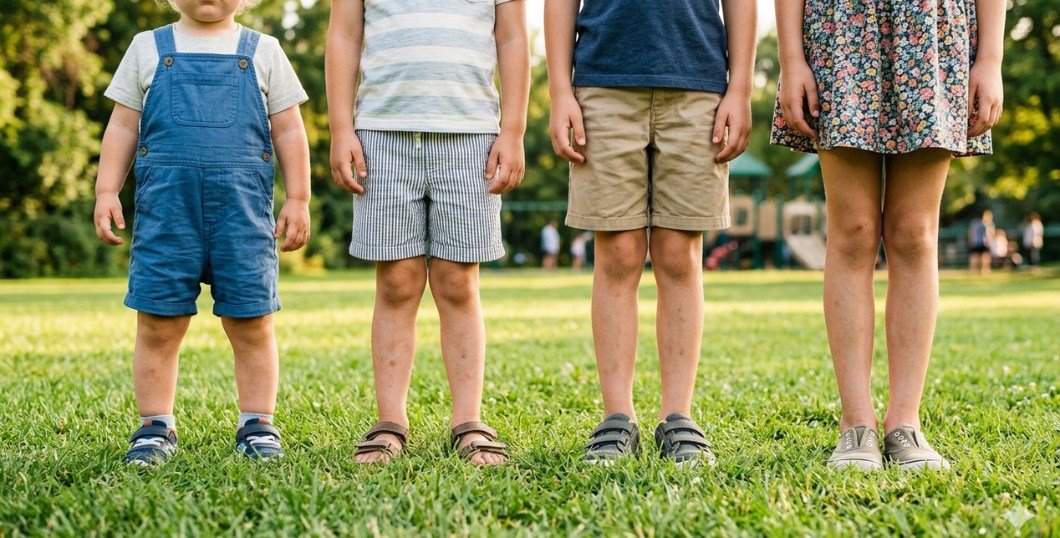
When a child’s legs don’t appear perfectly straight, it can raise concern for many parents. You may notice your toddler standing with a gap between the knees or later, knees touching but ankles apart. These conditions are commonly known as bow legs and knock knees. While both are often a natural part of growth, there are times when they signal something more serious.
Understanding the difference and knowing when to act can make all the difference in protecting your child’s long-term mobility and joint health.
Understanding the Difference: Bow Legs vs Knock Knees
What Are Bow Legs?
Bow legs, medically known as genu varum, cause the legs to curve outward. When a child stands with their feet together, there is a noticeable gap between the knees. This appearance is quite common in infants and toddlers.
What Are Knock Knees?
Knock knees, or genu valgum, present the opposite pattern. The knees touch or come very close together, while the ankles remain apart when standing. This condition is more commonly seen in slightly older children.
Key Difference in leg Alignment
The simplest way to distinguish between the two lies in leg alignment:
- Bow legs: outward curvature
- Knock knees: inward angulation
While both may look concerning, they are often part of a normal developmental cycle.
Age-Wise Leg Development in Children: What’s Considered Normal?
Children’s legs go through predictable changes as they grow. Recognizing these stages can help parents avoid unnecessary worry.
Birth to 2 Years: Bow Legs Are Common
Most babies are born with bow legs due to their position in the womb. As they begin to stand and walk, the legs gradually start to straighten.
2 to 4 Years: Transition Phase
By the age of 2, bowing typically decreases. Around 3 to 4 years, children may naturally develop knock knees. This shift is completely normal and usually temporary.
5 to 7 Years: Natural Correction
By age 7, most children develop a neutral alignment, where the legs appear straight. No treatment is needed during this phase unless abnormalities persist.
When Growth Doesn’t Follow the Pattern
If your child’s legs don’t follow this progression or if the condition worsens it may require medical evaluation.
Causes Behind Abnormal Leg Alignment
While many cases resolve naturally, some conditions may lead to persistent or worsening deformities.
Nutritional Deficiencies
Lack of vitamin D, calcium, or phosphorus can lead to rickets, a condition that weakens bones and affects alignment.
Growth Disorders
Conditions like Blount’s disease affect the growth plate of the shinbone, causing progressive bowing.
Genetic Factors
Some children may inherit structural bone differences that influence leg shape.
Injury or Trauma
Improper healing after fractures can alter bone alignment.
Obesity and Mechanical Stress
Excess body weight in young children can put pressure on developing bones, contributing to abnormal alignment.
Warning Signs That Indicate the Need for Medical Attention
While mild cases are normal, certain signs should not be ignored.
Persistent Deformity
If bow legs continue beyond age 2–3 or knock knees persist after age 7, it’s time to consult a specialist.
Asymmetry
If one leg appears more curved than the other, it could indicate an underlying condition.
Pain or Discomfort
Children with normal developmental alignment typically don’t experience pain. Discomfort or limping should raise concern.
Difficulty Walking
Frequent tripping, awkward gait, or instability while walking may signal a problem.
Worsening Condition
If the gap between knees or ankles increases over time instead of improving, medical evaluation is essential.
Treatment Options: From Observation to Surgical Correction
Treatment depends on the child’s age, severity of the condition, and underlying cause.
Observation and Monitoring
In most young children, no immediate treatment is needed. Regular follow-ups ensure that growth is progressing normally.
Non-Surgical Treatments
These approaches are typically recommended for mild to moderate cases:
Nutritional Support
Correcting vitamin deficiencies, especially vitamin D, plays a crucial role in bone health.
Bracing
In certain cases, braces may help guide bone growth in the correct direction.
Physical Therapy
Exercises can improve muscle strength and gait patterns, supporting proper alignment.
These methods are commonly used in early stages of Bow legs and knock knees treatment.
Surgical Intervention
When conservative treatments don’t work or the condition is severe surgery may be necessary.
Guided Growth Surgery
A minimally invasive procedure that helps gradually correct alignment by controlling bone growth.
Osteotomy
A more advanced surgery where the bone is cut and realigned for proper positioning.
Surgical options are typically reserved for older children or adolescents whose bones are no longer naturally correcting.
Why Early Diagnosis Matters
Ignoring abnormal leg alignment can lead to long-term complications, including:
- Joint pain
- Early-onset arthritis
- Reduced mobility
- Uneven wear on joints
Early evaluation ensures that your child receives timely care, preventing future problems.
Expert Insight: What Parents Should Keep in Mind
As an orthopaedic specialist would emphasize, not every visible deformity requires treatment but every persistent one deserves attention.
Parents should:
- Monitor changes over time rather than reacting to a single observation
- Avoid self-diagnosing based on appearance alone
- Seek professional guidance when in doubt
A careful clinical evaluation, supported by imaging if needed, provides clarity and reassurance.
Frequently Asked Questions (FAQs)
Are bow legs normal in babies?
Yes, bow legs are completely normal in infants and usually correct themselves by age 2.
At what age should knock knees be a concern?
Knock knees are common between ages 3 and 5. If they persist beyond age 7, medical evaluation is recommended.
Can diet improve leg alignment?
Yes, proper nutrition especially adequate vitamin D and calcium supports healthy bone development.
Do all children with bow legs or knock knees need surgery?
No, most cases resolve naturally or with non-surgical treatments. Surgery is only needed in severe or persistent cases.
How can I tell if my child needs treatment?
Look for warning signs like pain, asymmetry, worsening deformity, or difficulty walking. A specialist can provide an accurate diagnosis.
Bow legs and knock knees are often just phases in a child’s natural growth journey. However, recognizing when something isn’t right is crucial. With timely care and expert guidance, most children can achieve normal alignment and lead active, healthy lives.
If you’re concerned about your child’s leg development or noticing unusual changes, don’t wait. Early consultation can prevent long-term complications. Visit a trusted orthopaedic specialist today for the best knock-knees treatment in Nagpur and ensure your child’s healthy future with expert care.