
Golfer’s Elbow vs Tennis Elbow: How to Tell the Difference
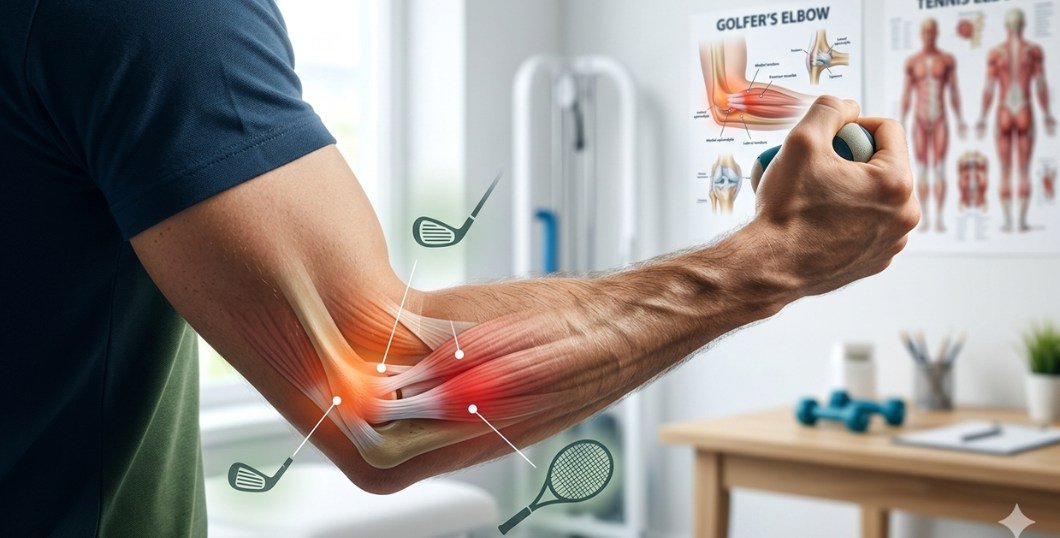
Pain around the elbow can make even simple daily tasks frustrating. From lifting grocery bags to typing on a keyboard or gripping sports equipment, elbow discomfort can quickly interfere with work, fitness, and routine activities. Two of the most common causes of chronic elbow pain are golfer’s elbow and tennis elbow.
Despite their names, these conditions are not limited to athletes. In fact, many people who develop these injuries have never picked up a golf club or tennis racket. Repetitive movements, overuse, poor posture, and strain on the forearm muscles are often the real culprits.
Because both conditions affect the elbow and share similar symptoms, many people confuse one for the other. However, understanding the differences is essential for accurate diagnosis and effective treatment.
In this guide, we’ll explain how golfer’s elbow and tennis elbow differ, what causes them, how doctors diagnose them, and which treatment options can help relieve pain and restore function.
Understanding the Conditions: What Is Golfer’s Elbow vs Tennis Elbow?
Although both conditions involve tendon irritation around the elbow, they affect different areas of the joint.
What Is Golfer’s Elbow?
Golfer’s elbow, medically known as medial epicondylitis, occurs when the tendons attached to the inside of the elbow become inflamed or damaged. These tendons help control wrist flexion and gripping movements.
This condition commonly develops due to repetitive wrist bending, forceful gripping, or overuse of the forearm muscles.
People at risk include:
- Golfers
- Weightlifters
- Construction workers
- Plumbers
- Office workers with repetitive wrist movements
The discomfort is usually felt on the inner side of the elbow and may travel down the forearm.
What Is Tennis Elbow?
Tennis elbow, or lateral epicondylitis, affects the tendons attached to the outer side of the elbow. It develops when repetitive wrist extension and forearm rotation strain the tendons over time.
Despite the name, tennis players are not the only people affected.
Commonly affected individuals include:
- Racquet sport athletes
- Painters
- Carpenters
- Mechanics
- Computer users
The pain is typically located on the outside of the elbow and may worsen during lifting or gripping activities.
Both conditions are forms of tendon overuse injuries, but the location and mechanics involved are different.
Key Differences in Pain Location and Symptoms
One of the easiest ways to distinguish these conditions is by understanding where the pain occurs and which movements trigger symptoms.
Pain Location
Golfer’s Elbow
Pain develops on the inner side of the elbow near the bony prominence called the medial epicondyle.
Tennis Elbow
Pain occurs on the outer side of the elbow near the lateral epicondyle.
This difference in location is often the clearest sign during diagnosis.
Symptom Patterns
Common Symptoms of Golfer’s Elbow
- Inner elbow tenderness
- Weak grip strength
- Stiffness in the elbow
- Pain during wrist flexion
- Discomfort while lifting objects
- Tingling in the ring and little fingers
Common Symptoms of Tennis Elbow
- Outer elbow pain
- Burning sensation around the elbow
- Difficulty gripping or shaking hands
- Pain while extending the wrist
- Weakness when lifting objects
- Increased pain during repetitive arm movements
In both cases, symptoms may start mildly and gradually worsen if repetitive strain continues.
Persistent elbow pain should never be ignored, especially if it begins interfering with daily function or athletic performance.
Causes and Risk Factors: What Triggers Each Condition?
Both conditions are primarily caused by repetitive stress on the tendons, but the exact movement patterns differ.
Causes of Golfer’s Elbow
Golfer’s elbow is usually linked to repetitive wrist flexion and gripping activities.
Common Triggers Include:
- Golf swings
- Heavy lifting
- Throwing sports
- Repetitive hand tool use
- Weight training
- Typing with poor ergonomics
Over time, tiny tears can develop in the tendon tissue, leading to inflammation and pain.
Causes of Tennis Elbow
Tennis elbow develops from repetitive wrist extension and forearm rotation.
Common Triggers Include:
- Tennis backhand strokes
- Painting
- Carpentry work
- Repetitive mouse usage
- Frequent lifting
- Use of vibrating tools
Improper sports technique, poor posture, and inadequate muscle conditioning can increase the risk of both conditions.
Additional Risk Factors
Several factors may contribute to either condition:
- Age between 30 and 50
- Poor flexibility
- Weak forearm muscles
- Repetitive occupational tasks
- Sudden increase in physical activity
- Inadequate warm-up before sports
Diagnosis: How Doctors Identify the Exact Condition
Because golfer’s elbow and tennis elbow share similar symptoms, a proper orthopedic evaluation is important.
Medical History Review
Doctors begin by asking about:
- Work activities
- Sports participation
- Duration of symptoms
- Pain location
- Movements that worsen discomfort
Understanding repetitive habits often helps identify the root cause.
Physical Examination
The doctor examines:
- Tenderness around the elbow
- Grip strength
- Wrist movement
- Forearm flexibility
- Pain during resisted movements
Specific stress tests help determine whether the inner or outer tendons are involved.
Imaging Tests
In chronic or severe cases, imaging may be recommended.
X-rays
Used to rule out arthritis or bone abnormalities.
MRI or Ultrasound
Helpful for evaluating tendon damage, inflammation, or tears.
Accurate diagnosis ensures patients receive the most appropriate treatment plan rather than temporary symptom relief.
Treatment Approaches: Do They Differ?
The good news is that most cases improve with conservative treatment when addressed early.
Rest and Activity Modification
Reducing repetitive strain is one of the most important first steps.
Patients may need to:
- Avoid aggravating activities
- Modify sports techniques
- Improve workstation ergonomics
- Limit repetitive gripping motions
Physical Therapy
Physical therapy plays a major role in recovery for both conditions.
Treatment may include:
- Stretching exercises
- Strengthening programs
- Manual therapy
- Forearm stabilization
- Posture correction
Targeted rehabilitation helps reduce stress on the tendons and prevents recurrence.
Medications and Pain Management
Anti-inflammatory medications may help reduce discomfort during the healing process.
Ice therapy and supportive braces are also commonly recommended.
Advanced Non-Surgical Treatments
For persistent symptoms, doctors may recommend:
- Corticosteroid injections
- Platelet-rich plasma (PRP) therapy
- Shockwave therapy
These treatments aim to reduce inflammation and promote tendon healing.
Surgical Treatment
Surgery is generally reserved for severe cases that fail to improve after several months of conservative care.
The procedure usually involves:
- Removing damaged tissue
- Repairing the tendon
- Restoring normal function
Patients seeking specialized Golfer’s Elbow treatment or Tennis elbow treatment often benefit from early orthopedic intervention before the condition becomes chronic.
Can These Conditions Be Prevented?
In many cases, yes.
Simple preventive strategies include:
- Proper warm-up before sports
- Correct lifting technique
- Ergonomic workstation setup
- Strengthening forearm muscles
- Taking breaks during repetitive tasks
- Using proper sports equipment
Early attention to mild symptoms can also prevent long-term tendon damage.
Frequently Asked Questions (FAQs)
Is golfer’s elbow more common than tennis elbow?
Tennis elbow is generally more common, but both conditions frequently affect athletes and non-athletes alike.
Can office work cause tennis elbow or golfer’s elbow?
Yes. Repetitive typing, poor posture, and prolonged mouse use can strain the forearm tendons.
How long does recovery usually take?
Mild cases may improve within weeks, while chronic cases can take several months depending on severity and treatment consistency.
Do all patients need surgery?
No. Most patients recover with non-surgical treatments such as physiotherapy, rest, and activity modification.
Can these conditions return after treatment?
Yes. Without correcting repetitive strain or poor mechanics, symptoms may recur over time.
Golfer’s elbow and tennis elbow may sound similar, but they affect different tendons and require accurate diagnosis for effective treatment. While one causes pain on the inside of the elbow and the other affects the outside, both conditions can significantly impact everyday activities if left untreated.
If you are experiencing persistent elbow discomfort, weakness, or difficulty with gripping activities, consulting an orthopedic specialist can help you return to normal function safely and effectively.
Looking for the best elbow treatment in Nagpur? Consult Dr. Nawaid Ahmed for expert diagnosis and advanced care for golfer’s elbow, tennis elbow, and other orthopedic conditions affecting the elbow joint.