
How Knee Ligament Injuries Affect Stability and Daily Movement
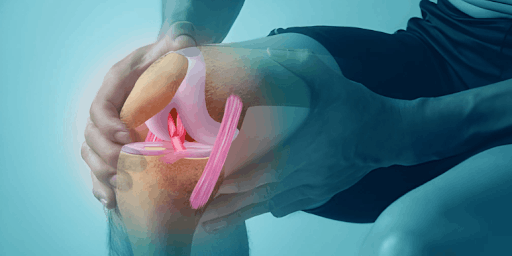
The knee joint plays a crucial role in maintaining balance, mobility, and confidence in everyday activities such as walking, climbing stairs, sitting, standing, and even turning suddenly. When the knee is healthy, its ligaments work silently in the background to keep movements smooth and stable. However, a knee ligament injury can significantly disrupt this balance, leading to pain, instability, and difficulty performing routine tasks.
Knee ligament injuries are common among athletes, fitness enthusiasts, and even individuals involved in daily activities or accidents. Understanding how knee ligament injuries affect stability and daily movement is essential for early diagnosis, proper treatment, and long-term joint health.
Understanding the Role of Knee Ligaments
The knee joint is stabilised by four major ligaments that connect the thigh bone (femur) to the shin bone (tibia). These ligaments guide movement and prevent abnormal motion.
Major Knee Ligaments
- Anterior Cruciate Ligament (ACL): Controls forward movement and rotation of the tibia
- Posterior Cruciate Ligament (PCL): Prevents backward movement of the tibia
- Medial Collateral Ligament (MCL): Stabilises the inner side of the knee
- Lateral Collateral Ligament (LCL): Stabilises the outer side of the knee
Together, these ligaments ensure knee stability during both simple and complex movements.
What Is a Ligament Tear in the Knee?
A ligament tear in the knee occurs when one or more ligaments are stretched beyond their normal limit or torn completely. This can happen due to sudden twisting, direct impact, awkward landings, or gradual wear and tear.
Ligament injuries are commonly classified as:
- Grade 1: Mild sprain with minimal fibre damage
- Grade 2: Partial ligament tear causing instability
- Grade 3: Complete ligament rupture leading to severe instability
The severity of the tear directly influences knee stability and daily function.
Common Causes of Knee Ligament Injuries
Knee ligament injuries can occur due to various reasons:
Sports and Physical Activities
- Sudden change in direction
- Jumping and improper landing
- Contact sports injuries
Accidents and Trauma
- Road traffic accidents
- Falls from height
- Direct blow to the knee
Daily Activities
- Slipping on uneven surfaces
- Sudden twisting while walking
- Lifting heavy objects incorrectly
Ligament Tear Symptoms That Affect Stability
Recognising ligament tear symptoms early can prevent further damage and complications.
Immediate Symptoms
- Sharp knee pain at the time of injury
- A popping sound or sensation
- Rapid swelling around the knee
Progressive Symptoms
- Knee instability or “giving way”
- Difficulty bearing weight
- Reduced range of motion
Long-Term Symptoms
- Recurrent knee buckling
- Persistent swelling and discomfort
- Fear of movement due to instability
These symptoms directly impact daily mobility and confidence.
How Ligament Injuries Affect Knee Stability
Loss of Structural Support
Ligaments act as stabilising cables for the knee. When torn, they can no longer control abnormal movement, causing instability.
Impaired Joint Coordination
A damaged ligament disrupts coordination between bones, muscles, and nerves, affecting balance and smooth motion.
Increased Stress on Other Structures
Ligament injuries force surrounding muscles, cartilage, and meniscus to compensate, increasing the risk of secondary injuries.
Impact on Daily Movement and Activities
Walking
Ligament damage can cause knee buckling while walking, especially on uneven surfaces.
Climbing Stairs
Ascending or descending stairs becomes painful and unstable due to increased load on the knee.
Sitting and Standing
Movements that involve bending or straightening the knee may feel weak or uncomfortable.
Turning and Pivoting
Sudden directional changes become difficult, particularly in ACL injuries, due to rotational instability.
Work and Lifestyle Limitations
Knee instability can limit work performance, household activities, and participation in social or recreational activities.
Psychological Impact of Knee Instability
Beyond physical limitations, knee ligament injuries can affect mental well-being:
- Fear of falling or re-injury
- Reduced confidence in movement
- Avoidance of physical activity
This often leads to muscle weakness and further joint deterioration if not addressed.
Diagnosis of Knee Ligament Injuries
Accurate diagnosis is essential to assess the extent of instability.
Clinical Examination
An orthopaedic specialist evaluates:
- Joint laxity
- Range of motion
- Pain points
Imaging Tests
- X-rays: To rule out fractures
- MRI scans: To confirm ligament tear in the knee and assess associated injuries
Non-Surgical Treatment for Ligament Injuries
Mild to moderate ligament injuries may be managed conservatively.
Physiotherapy and Rehabilitation
- Muscle strengthening
- Balance and stability training
- Gradual return to activity
Bracing and Support
Knee braces help provide external stability during healing.
Activity Modification
Avoiding high-impact activities reduces further damage.
When Surgery Becomes Necessary
Surgical intervention may be recommended when:
- There is a complete ligament tear
- Knee instability affects daily life
- Conservative treatment fails
Procedures such as arthroscopic ligament reconstruction help restore stability and prevent long-term joint damage.
Long-Term Effects of Untreated Ligament Injuries
Ignoring ligament injuries can lead to:
- Chronic knee instability
- Meniscus and cartilage damage
- Early-onset osteoarthritis
- Reduced quality of life
Early treatment helps preserve joint health and mobility.
Rehabilitation and Recovery
Recovery focuses on restoring:
- Knee strength
- Stability and balance
- Functional movement patterns
A structured rehabilitation programme is essential for a safe return to daily activities and sports.
Prevention of Knee Ligament Injuries
Strength Training
Strong muscles support ligament function.
Proper Technique
Maintaining correct posture and movement helps reduce stress on the knee.
Warm-Up and Stretching
Preparing the muscles and ligaments before engaging in activity helps lower the risk of injury.
Frequently Asked Questions (FAQ)
What is a knee ligament injury?
A knee ligament injury occurs when one or more ligaments supporting the knee are stretched, partially torn, or completely ruptured due to trauma, sports activity, or sudden twisting movements.
What are the common ligament tear symptoms in the knee?
Common ligament tear symptoms include knee pain, swelling, a popping sensation at the time of injury, instability or giving way, and difficulty walking or bearing weight.
Which knee ligament is most commonly injured?
The Anterior Cruciate Ligament (ACL) is the most commonly injured knee ligament, especially among athletes involved in sports requiring sudden stops, turns, or jumps.
How do knee ligament injuries affect daily movement?
Knee ligament injuries can cause instability, reduced range of motion, pain while walking or climbing stairs, and difficulty performing routine activities such as sitting, standing, or turning.
Can a ligament tear in the knee heal without surgery?
Mild to moderate ligament tears may heal with physiotherapy, bracing, and activity modification. However, complete ligament ruptures often require surgical intervention for long-term stability.
Knee ligament injuries have a profound impact on stability and daily movement, affecting not only physical mobility but also confidence and quality of life. From difficulty walking and climbing stairs to limitations in work and recreational activities, untreated ligament damage can significantly disrupt everyday living. With early diagnosis, appropriate treatment, and guided rehabilitation under the care of an experienced specialist such as the best knee replacement surgeon in Nagpur, patients can regain stability, restore function, and return to an active, pain-free lifestyle.
If you notice persistent knee instability, pain, or symptoms of a ligament tear in the knee, consulting an orthopaedic specialist at the right time is the key to long-term knee health and mobility.