How Long Does It Take to Return to Normal Activities After Shoulder Arthroscopy?
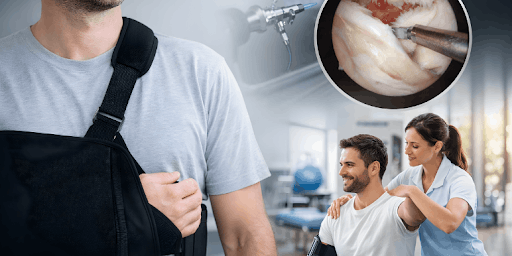
Shoulder pain and restricted movement can significantly affect daily life, whether it is difficulty lifting objects, performing household work, or participating in sports and fitness activities. When conservative treatments such as medications, physiotherapy, or injections fail to provide relief, Shoulder Arthroscopy is often recommended as a minimally invasive and effective surgical option.
One of the most common questions patients ask before undergoing surgery is: “How long will it take for me to return to normal activities after shoulder arthroscopy?” The answer depends on several factors, including the type of shoulder problem treated, the extent of repair done, and how well post-operative rehabilitation is followed.
This blog explains the recovery timeline after shoulder arthroscopy, what to expect at each stage, and how patients can safely resume daily activities, work, and sports.
Understanding Shoulder Arthroscopy
Shoulder Arthroscopy is a minimally invasive surgical procedure used to diagnose and treat various shoulder conditions. It involves inserting a small camera (arthroscope) and specialised instruments through tiny incisions around the shoulder joint. This allows the surgeon to view and repair damaged tissues with high precision.
Common Conditions Treated with Shoulder Arthroscopy
- Rotator cuff tears
- Shoulder impingement syndrome
- Labral tears
- Recurrent shoulder dislocations
- Frozen shoulder (adhesive capsulitis)
- Shoulder arthritis (in selected cases)
Compared to open surgery, arthroscopy usually results in:
- Smaller scars
- Less pain after surgery
- Faster recovery
- Shorter hospital stay
However, recovery still takes time and should not be rushed.
Factors That Affect Recovery Time
Not every patient recovers at the same pace. Several factors influence how soon normal activities can be resumed after shoulder arthroscopy:
Type of Procedure Performed
Simple procedures, such as removal of inflamed tissue or bone spurs, heal faster than complex repairs like rotator cuff or labral repair.
Severity of the Injury
Larger tears or long-standing shoulder problems usually take longer to heal.
Age and Overall Health
Younger patients and those without medical conditions such as diabetes or obesity may recover faster.
Physiotherapy and Rehabilitation
Strict adherence to post-operative physiotherapy plays a crucial role in regaining strength and mobility.
Guidance from Your Surgeon
Following the advice of an experienced Shoulder Surgeon in Nagpur ensures a safe and steady recovery without complications.
Recovery Timeline After Shoulder Arthroscopy
First Week After Surgery
Immediately after surgery, patients may experience:
- Pain and swelling
- Shoulder stiffness
- Limited movement
The arm is usually supported with a sling to protect the repaired structures. Pain medications and ice therapy help manage discomfort.
Activities allowed:
- Light hand and wrist movements
- Gentle elbow exercises
- Short walks
Activities to avoid:
- Lifting weight
- Sudden shoulder movements
- Driving
2 to 4 Weeks: Early Healing Phase
During this phase, pain gradually reduces, and the surgical wounds heal. Physiotherapy usually begins with gentle passive movements under professional supervision.
Activities allowed:
- Basic daily tasks such as eating and writing
- Desk work (if comfortable)
- Light household activities
Activities to avoid:
- Heavy lifting
- Overhead movements
- Sports or gym workouts
4 to 8 Weeks: Regaining Mobility
This phase focuses on improving the shoulder range of motion. Active movements are slowly introduced, and the sling is gradually discontinued based on your surgeon’s advice.
What improves during this stage:
- Shoulder flexibility
- Reduced stiffness
- Improved comfort during daily activities
Many patients can resume:
- Office work
- Driving (after medical clearance)
- Light household chores
8 to 12 Weeks: Strengthening Phase
By this stage, most patients feel significant improvement. Physiotherapy focuses on strengthening shoulder muscles and improving stability.
Activities that may resume:
- Moderate household work
- Light gym exercises
- Non-contact sports (with approval)
However, heavy lifting and high-impact activities are still restricted.
3 to 6 Months: Return to Normal Activities
Most patients can return to normal daily activities within 3 to 4 months after shoulder arthroscopy. However, full recovery may take up to 6 months or longer for complex procedures like rotator cuff repair.
Activities typically resumed:
- Full office work
- Driving without discomfort
- Light sports and fitness routines
Athletes or individuals involved in physically demanding jobs may require a longer rehabilitation period.
Returning to Work After Shoulder Arthroscopy
Desk Jobs
Patients with desk-based jobs can usually return within 2 to 4 weeks, depending on pain levels and comfort.
Physically Demanding Jobs
Jobs involving lifting, pushing, or overhead work may require 3 to 6 months before safe return.
Clearance from your Shoulder Surgeon in Nagpur is essential before resuming such activities to avoid re-injury.
When Can You Resume Sports and Exercise?
Returning to sports depends on the type of sport and the procedure performed.
- Walking and stationary cycling: 2-3 weeks
- Swimming: 8-12 weeks
- Gym workouts: 10-12 weeks (light weights)
- Contact sports: 4-6 months
A gradual and supervised return is strongly recommended.
Immediate Recovery
- Most patients can walk with support on the same day
- Pain and swelling are usually mild to moderate
Importance of Physiotherapy in Recovery
Physiotherapy is a vital part of recovery after shoulder arthroscopy. Skipping or delaying rehabilitation can lead to stiffness, weakness, and prolonged recovery.
Benefits of Physiotherapy
- Improves shoulder mobility
- Strengthens muscles
- Reduces pain and stiffness
- Prevents complications
A structured rehabilitation plan ensures optimal long-term outcomes.
Signs That Recovery May Be Delayed
While most patients recover smoothly, some warning signs should not be ignored:
- Persistent or increasing pain
- Severe swelling or redness
- Fever
- Limited movement beyond expected timelines
If you experience these symptoms, consult your orthopaedic specialist immediately.
Tips for Faster and Safer Recovery
- Follow physiotherapy instructions strictly
- Avoid lifting heavy objects too early
- Maintain good posture
- Eat a balanced diet rich in protein and calcium
- Attend all follow-up appointments
These steps help ensure a smooth and steady recovery.
Long-Term Outlook After Shoulder Arthroscopy
Shoulder arthroscopy has a high success rate when performed by an experienced surgeon. Most patients regain excellent shoulder function and return to their normal lifestyle without long-term limitations.
In orthopaedic practice, recovery principles remain similar across joints. Patients often seek comprehensive joint care guidance, whether for shoulder conditions or procedures performed by specialists, highlighting the importance of expert surgical planning and rehabilitation for optimal outcomes.
When Should You Consult a Shoulder Specialist?
If shoulder pain persists despite rest, medications, or physiotherapy, or if daily activities are affected, timely evaluation is essential. Early diagnosis and appropriate treatment can prevent further damage and speed up recovery.
Consulting an experienced Shoulder Surgeon in Nagpur ensures accurate diagnosis, personalised treatment planning, and safe recovery after shoulder arthroscopy.
Frequently Asked Questions (FAQ)
Q1. How long does it take to recover fully after shoulder arthroscopy?
Recovery after shoulder arthroscopy usually takes 3 to 6 months, depending on the type of procedure performed and individual healing. Some patients may take longer if extensive repair was done.
Q2. When can I return to normal daily activities after shoulder arthroscopy?
Light daily activities like eating, writing, and walking can usually be resumed within 1–2 weeks. Activities involving lifting, overhead movements, or heavy work may take 6–12 weeks or more.
Q3. Is shoulder arthroscopy a major surgery?
Shoulder arthroscopy is a minimally invasive procedure, performed using small incisions and a camera. Compared to open surgery, it causes less pain, minimal scarring, and faster recovery.
Q4. Will I need physiotherapy after shoulder arthroscopy?
Yes, physiotherapy is a crucial part of recovery. It helps restore shoulder strength, flexibility, and movement, and reduces the risk of stiffness or reinjury.
Q5. How long will I need to wear a sling after shoulder arthroscopy?
Most patients need to wear a sling for 2-4 weeks, depending on the procedure. Your shoulder surgeon will advise the exact duration based on your condition.
Recovery after shoulder arthroscopy is a gradual process that requires patience, discipline, and expert guidance. While many patients return to daily activities within a few weeks, full recovery may take several months, depending on the procedure and individual healing capacity. With proper post-operative care and physiotherapy, shoulder arthroscopy can restore mobility, reduce pain, and significantly improve quality of life.