Shoulder Fractures in Athletes: Risks, Treatment & Prevention
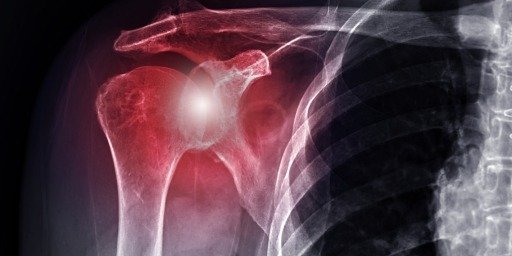
A shoulder bone fracture is not just another injury you can ignore for a few days. It disrupts one of the most mobile joints in the body and, if handled poorly, can leave you with long-term stiffness, weakness, or even permanent dysfunction. In my years of treating orthopaedic injuries, I have seen patients delay care for what they thought was a simple fall, only to face complicated recovery later. The shoulder is a complex structure, and any fracture here deserves timely attention and precise management.
What Is a Shoulder Fracture?
The shoulder joint is made up of three main bones: the humerus, scapula, and clavicle. A fracture can occur in any of these components, depending on the mechanism of injury.
The most commonly affected areas include:
- Proximal humerus fractures
- Clavicle injuries
- Scapular fractures
Each type behaves differently, which is why a one-size-fits-all approach does not work in orthopaedics.
Common Causes of Shoulder Fractures
Shoulder fractures are typically the result of trauma. However, the nature of that trauma varies across age groups and lifestyles.
Falls and Accidents
A simple fall on an outstretched hand or directly on the shoulder can lead to a fracture. This is especially common in elderly individuals with reduced bone density.
Road Traffic Accidents
High-impact collisions often result in complex fractures involving multiple parts of the shoulder joint. These cases frequently require surgical intervention.
Sports Injuries
Contact sports and cycling accidents can lead to fractures, particularly in younger individuals.
Osteoporosis
Weak bones increase the risk significantly. Even a minor slip can result in a serious injury.
Recognising the Symptoms Early
Many patients mistake a fracture for a severe sprain, which delays proper treatment.
Look out for:
- Intense pain in the shoulder region
- Swelling and bruising
- Inability to lift or move the arm
- Visible deformity in severe cases
- Grinding sensation during movement
If any of these symptoms appear after an injury, medical evaluation should not be delayed.
Clavicle Fracture: A Common Shoulder Injury
A clavicle fracture is one of the most frequently seen shoulder injuries, especially in younger individual athletes. The clavicle, or collarbone, connects the arm to the body and absorbs impact during falls.
These fractures usually occur due to:
- Direct impact on the shoulder
- Falling sideways
- Sports-related collisions
Many cases can be treated without surgery. However, displaced fractures or those with shortening may require surgical fixation to restore alignment and shoulder function.
Diagnosis: Getting It Right the First Time
A correct diagnosis is essential for effective treatment.
Evaluation typically includes:
- Physical examination
- X-rays to confirm the fracture
- CT scans for complex injuries
- MRI if soft tissue damage is suspected
Accurate imaging helps determine the severity and guides the treatment plan.
Fractured Shoulder Treatment Options
The choice of fractured shoulder treatment depends on the type, severity, and location of the fracture, along with the patient’s age and lifestyle.
Non-Surgical Management
Suitable for stable and non-displaced fractures:
- Arm sling for immobilisation
- Pain management
- Gradual physiotherapy
This approach works well for many proximal humerus and clavicle injuries.
Surgical Treatment
Surgery may be required when:
- Bones are significantly displaced
- The joint is involved
- Multiple fragments are present
- Blood supply to the bone is affected
Common procedures include:
- Plate and screw fixation
- Intramedullary nailing
- Shoulder replacement in severe cases
The goal is always to restore proper function, not just fix the bone.
Recovery and Rehabilitation
Bone healing is only part of the recovery process. Regaining movement and strength is equally important.
Rehabilitation includes:
- Structured physiotherapy
- Range of motion exercises
- Gradual strengthening
Recovery timelines:
- 6 to 8 weeks for initial bone healing
- 3 to 6 months for full functional recovery
Skipping rehabilitation often leads to stiffness and long-term limitations.
Possible Complications
Complications can arise, especially if treatment is delayed or incomplete.
These may include:
- Frozen shoulder
- Improper healing
- Nerve or vascular injury
- Chronic pain
Regular follow-ups and adherence to treatment reduce these risks significantly.
Preventing Shoulder Fractures
While not all injuries can be avoided, certain measures help reduce the risk:
- Strength training to improve bone health
- Balance exercises to prevent falls
- Using protective gear during sports
- Managing bone conditions like osteoporosis
Prevention becomes especially important with age.
When to Consult a Specialist
Seek medical attention if:
- Pain persists after an injury
- Arm movement is restricted
- Swelling or deformity is visible
- Symptoms worsen over time
Early consultation leads to better outcomes and quicker recovery.
Frequently Asked Questions (FAQs)
Can a shoulder fracture heal without surgery?
Yes, many non-displaced fractures heal well with conservative treatment such as immobilisation and physiotherapy. However, a medical evaluation is essential before deciding.
How long does it take to recover from a shoulder fracture?
Initial healing takes about 6 to 8 weeks, while complete recovery may take up to 6 months, depending on the severity.
Is physiotherapy necessary after a shoulder fracture?
Yes, physiotherapy is crucial to restore mobility and prevent stiffness.
What activities should be avoided during recovery?
Heavy lifting, sudden arm movements, and sports should be avoided until cleared by your doctor.
Can elderly individuals recover fully from shoulder fractures?
With proper treatment and rehabilitation, many elderly patients regain good function, although recovery may take longer.
A shoulder fracture is not just about healing a bone. It is about restoring full movement and preventing long-term complications. Ignoring symptoms or delaying treatment often leads to prolonged recovery and avoidable issues.
If you are dealing with such an injury, consulting the best Orthopaedic surgeon in Nagpur ensures that you receive an accurate diagnosis, appropriate treatment, and guided rehabilitation. The right care at the right time can make all the difference in achieving a complete and lasting recovery.