Signs and Symptoms of ACL Injuries You Shouldn’t Ignore
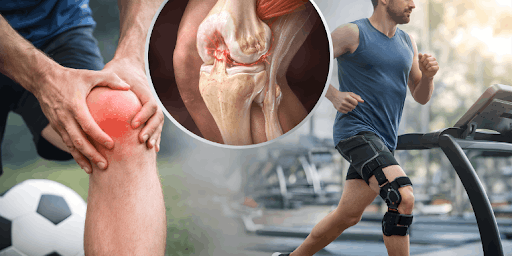
Knee injuries are common, especially among people involved in sports, fitness activities, or physically demanding jobs. One of the most serious knee injuries is an Anterior Cruciate Ligament (ACL) injury, which can significantly affect knee stability and long-term joint health if not treated on time. Many patients ignore early symptoms, assuming the pain or swelling will settle on its own. However, delayed diagnosis and treatment of ACL injuries can lead to chronic knee problems and early arthritis.
This blog explains the signs and symptoms of ACL injuries you shouldn’t ignore, why early medical attention is important, and when ACL Reconstruction Treatment may be required.
Understanding the ACL and Its Role in Knee Stability
The Anterior Cruciate Ligament (ACL) is one of the major ligaments of the knee joint. It connects the thigh bone (femur) to the shin bone (tibia) and plays a vital role in maintaining knee stability.
What Does the ACL Do?
- Prevents the tibia from sliding forward over the femur
- Controls rotational movements of the knee
- Provides stability during running, jumping, pivoting, and sudden direction changes
ACL injuries are commonly seen in:
- Football, cricket, badminton, basketball, and kabaddi players
- Gym-goers and runners
- Individuals involved in road traffic accidents or falls
How ACL Injuries Commonly Occur
ACL injuries usually occur from sudden twisting or high-impact movements. Some common causes include:
- Sudden stopping or a change in direction while running
- Landing awkwardly after a jump
- Direct impact on the knee during sports or accidents
- Slipping or falling with the knee twisting inward
Understanding the mechanism of injury helps recognise symptoms early and seek timely treatment.
Early Signs and Symptoms of ACL Injuries
ACL injuries often present with a combination of symptoms. Some are immediate, while others develop gradually over days or weeks.
1. A Sudden “Pop” Sound or Sensation in the Knee
One of the most classic signs of an ACL injury is hearing or feeling a “pop” at the time of injury. Many patients clearly recall this moment.
- Occurs suddenly during sports or trauma
- Often followed by pain and inability to continue the activity
- Strong indicator of ligament rupture
If you experience a pop in your knee during activity, it should never be ignored.
2. Immediate Pain After Injury
Pain after an ACL injury can vary in intensity but is usually significant enough to stop activity.
- Sharp or deep pain inside the knee
- Pain increases with movement or weight-bearing
- Some patients may feel pain reduced after a few hours, leading them to ignore the injury
Pain reduction does not mean healing. The ligament damage remains and needs evaluation.
3. Rapid Swelling of the Knee Joint
Swelling is one of the most important warning signs of an ACL injury.
- Knee swelling develops within a few hours
- Caused by bleeding inside the joint (haemarthrosis)
- The knee may feel tight and stiff
Rapid swelling after injury strongly suggests internal ligament damage and requires urgent medical attention.
Delayed and Progressive Symptoms of ACL Injuries
In some cases, especially partial tears, symptoms may not appear immediately. These delayed signs are equally important.
1. Feeling of Knee Instability or “Giving Way”
A feeling that the knee may buckle or give way is a hallmark symptom of ACL deficiency.
- Common during walking on uneven surfaces
- More noticeable while climbing stairs or turning
- Patients feel they cannot trust their knee
This instability is due to loss of ligament support and often worsens without treatment.
2. Difficulty in Continuing Sports or Physical Activities
People with ACL injuries often struggle to return to their usual activity levels.
- Unable to run, jump, or pivot confidently
- Reduced performance in sports
- Fear of re-injury
For athletes and active individuals, this symptom significantly affects quality of life.
3. Reduced Range of Motion in the Knee
ACL injuries may lead to stiffness and a restricted range of motion.
- Difficulty fully bending or straightening the knee
- Stiffness after prolonged sitting
- Discomfort during squatting or kneeling
This stiffness may increase if proper rehabilitation is delayed.
Associated Symptoms Due to Untreated ACL Injuries
Ignoring ACL injuries can lead to secondary damage inside the knee.
7. Recurrent Knee Swelling
Without proper treatment, the knee may swell repeatedly after activity.
- Swelling after walking long distances
- Swelling after minor twisting movements
- Indicates ongoing joint damage
Repeated swelling suggests instability and internal cartilage or meniscal wear.
8. Meniscus and Cartilage Damage
An unstable knee puts extra stress on other structures.
- Increased risk of meniscus tears
- Damage to knee cartilage
- Higher chance of early osteoarthritis
This is why early diagnosis and ACL Reconstruction Treatment are strongly recommended for suitable patients.
Symptoms in Partial vs Complete ACL Tears
Partial ACL Tear Symptoms
- Mild to moderate pain
- Occasional instability
- Swelling may be less severe
- The knee may feel weak during activity
Complete ACL Tear Symptoms
- Loud pop sound
- Immediate swelling
- Significant instability
- Difficulty walking without support
A proper clinical examination and MRI scan are needed to differentiate between partial and complete tears.
When Should You See a Doctor?
You should consult an orthopaedic specialist if you experience:
- Knee swelling within hours of injury
- Instability or a giving way sensation
- Persistent pain after trauma
- Difficulty returning to sports or daily activities
Early consultation with an experienced ACL Reconstruction Surgeon helps in timely diagnosis and prevents long-term complications.
How ACL Injuries Are Diagnosed
Diagnosis involves a combination of:
- Detailed patient history
- Physical examination tests (Lachman test, Pivot shift test)
- MRI scan to confirm ligament damage and associated injuries
Accurate diagnosis is essential to plan the right treatment approach.
Treatment Options for ACL Injuries
Treatment depends on factors such as age, activity level, severity of injury, and patient expectations.
Non-Surgical Management
- Suitable for partial tears or low-activity individuals
- Physiotherapy and muscle strengthening
- Activity modification
ACL Reconstruction Treatment
For complete tears or active individuals, ACL Reconstruction Treatment is the gold standard.
- Arthroscopic, minimally invasive surgery
- Torn ligament replaced with a graft
- Followed by structured rehabilitation
Consulting a skilled ACL Reconstruction Surgeon near Gandhi Bagh, Nagpur, ensures better surgical outcomes and faster recovery.
Importance of Rehabilitation After ACL Injury
Rehabilitation is as important as surgery.
- Strengthens muscles around the knee
- Restores balance and coordination
- Reduces risk of re-injury
Rehabilitation usually continues for 9 to 10 months after ACL reconstruction for a safe return to sports.
Long-Term Risks of Ignoring ACL Symptoms
Ignoring ACL injuries can result in:
- Chronic knee instability
- Repeated injuries
- Early knee arthritis
- Reduced mobility and activity levels
Early treatment helps preserve knee health and long-term function.
Preventing ACL Injuries and Re-Injuries
While not all ACL injuries are preventable, risk can be reduced by:
- Proper warm-up before sports
- Strengthening thigh and core muscles
- Learning correct jumping and landing techniques
- Using proper footwear
Post-treatment preventive exercises are equally important.
ACL injuries are serious knee conditions that should never be ignored. Symptoms like a popping sound, rapid swelling, instability, and difficulty in movement are warning signs that require immediate medical attention. Early diagnosis and appropriate treatment, including ACL Reconstruction Treatment when indicated, can restore knee stability and prevent long-term damage.
If you experience any of these symptoms, consulting an experienced ACL Reconstruction Surgeon near Gandhi Bagh, Nagpur can help you receive the right care at the right time. Timely intervention, combined with proper rehabilitation, allows patients to safely return to daily activities and sports with confidence.