
Understanding Knee Ligament Injuries: Causes, Symptoms, Treatment, and Recovery
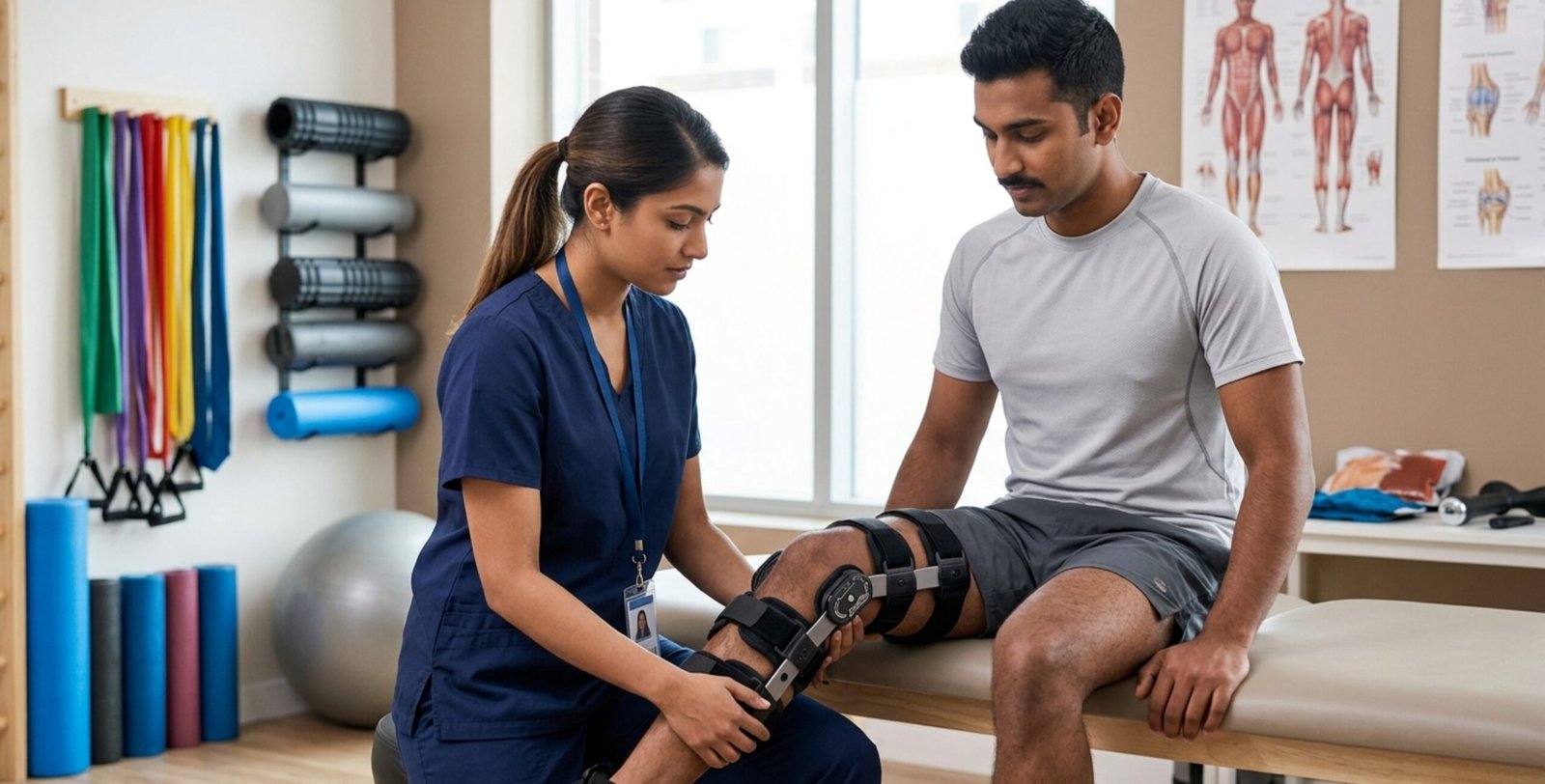
A ligament injury in knee is one of the most common orthopaedic problems affecting people of all age groups, especially athletes, fitness enthusiasts, and individuals involved in physically demanding activities. The knee is a complex joint supported by strong ligaments that provide stability and enable smooth movement. When one of these ligaments is stretched, partially torn, or completely ruptured, it can lead to pain, swelling, instability, and difficulty performing daily activities.
Early diagnosis and timely treatment are essential to prevent long-term complications and restore normal knee function. Understanding the causes, symptoms, and treatment options can help patients make informed decisions about their recovery.
What Are Knee Ligaments and Why Are They Important?
Ligaments are tough bands of connective tissue that connect bones and stabilise joints. The knee contains four major ligaments:
Anterior Cruciate Ligament (ACL)
The ACL helps control forward movement and rotational stability of the knee.
Posterior Cruciate Ligament (PCL)
The PCL prevents the shin bone from moving backwards excessively.
Medial Collateral Ligament (MCL)
The MCL supports the inner side of the knee and prevents sideways movement.
Lateral Collateral Ligament (LCL)
The LCL stabilises the outer side of the knee.
Damage to any of these structures can affect mobility and overall knee function.
Common Causes of Knee Ligament Injuries
A ligament injury can occur due to sudden trauma, twisting movements, or excessive force applied to the knee joint. Some common causes include:
- Sports injuries during football, cricket, basketball, or badminton
- Sudden changes in direction while running
- Direct impact during accidents
- Falls from height
- Improper landing after jumping
- Road traffic accidents
Athletes are particularly vulnerable because their knees undergo repetitive stress and rapid movements during sports activities.
Symptoms of a Knee Ligament Injury
The symptoms can vary depending on the severity and type of ligament affected. Common signs include:
- Sudden pain in the knee
- Swelling within a few hours
- A popping sensation at the time of injury
- Difficulty bearing weight
- Knee instability or giving way
- Reduced range of motion
- Tenderness around the joint
Ignoring these symptoms may worsen the injury and delay recovery.
Understanding Ligament Fracture in Knee
In some severe cases, a ligament fracture in knee may occur when a ligament injury is associated with a small piece of bone being pulled away from its attachment site. This condition is commonly known as an avulsion fracture.
A ligament fracture in knee often results from high-impact trauma, sports accidents, or severe twisting injuries. Patients may experience intense pain, significant swelling, bruising, and an inability to move the knee normally.
Proper imaging studies such as X-rays and MRI scans are necessary to determine the extent of damage. Depending on the severity, treatment may involve immobilisation, physiotherapy, or surgical repair.
How Are Knee Ligament Injuries Diagnosed?
Accurate diagnosis is crucial for developing an effective treatment plan.
Clinical Examination
An orthopaedic specialist evaluates the patient’s symptoms, medical history, and knee stability through specific physical tests.
Imaging Tests
MRI Scan
MRI is considered the gold standard for assessing ligament damage and identifying associated injuries.
X-rays
X-rays help rule out fractures and detect bone related injuries.
Ultrasound
In selected cases, ultrasound may assist in evaluating soft tissue structures around the knee.
Treatment Options for Knee Ligament Injuries
The appropriate treatment depends on the type and severity of the injury, age of the patient, activity level, and overall health.
Non Surgical Treatment
Mild to moderate ligament injuries can often be managed conservatively through:
- Rest and activity modification
- Ice application to reduce swelling
- Compression bandages
- Elevation of the affected leg
- Pain relief medications
- Physiotherapy and rehabilitation exercises
A structured rehabilitation program focuses on restoring strength, flexibility, balance, and knee stability.
Surgical Treatment
Surgery may be recommended for:
- Complete ligament tears
- Severe instability
- Multiple ligament injuries
- Active athletes wishing to return to sports
Modern arthroscopic procedures allow surgeons to repair or reconstruct damaged ligaments using minimally invasive techniques, resulting in faster recovery and reduced postoperative discomfort.
Rehabilitation and Recovery
Recovery after a ligament injury requires patience and commitment to rehabilitation.
The recovery timeline varies depending on the severity of the injury and treatment method.
Typical recovery milestones include:
- Initial pain and swelling control
- Gradual restoration of joint movement
- Muscle strengthening exercises
- Balance and coordination training
- Return to sports-specific activities
Most patients can resume normal daily activities within a few weeks to months, while athletes may require longer rehabilitation before returning to competitive sports.
Tips to Prevent Knee Ligament Injuries
Preventive measures can significantly reduce the risk of future injuries.
Strengthen Supporting Muscles
Strong quadriceps, hamstrings, and calf muscles provide better support to the knee joint.
Warm Up Properly
Always perform stretching and warm up exercises before physical activity.
Use Correct Technique
Proper sports techniques help minimise unnecessary stress on the knee.
Wear Appropriate Footwear
Supportive footwear improves balance and reduces injury risk.
Avoid Overtraining
Adequate rest and recovery are essential for maintaining joint health.
Frequently Asked Questions (FAQs)
1. Can a knee ligament injury heal without surgery?
Yes. Mild and partial tears often heal successfully with rest, physiotherapy, and rehabilitation. Complete tears may require surgical intervention depending on the patient’s activity level.
2. How long does recovery take after a ligament injury?
Recovery can range from a few weeks for minor injuries to several months following surgery and rehabilitation.
3. Is walking safe after a knee ligament injury?
Walking may be possible in mild cases, but it is important to consult an orthopaedic specialist before resuming activities.
4. What is the most commonly injured knee ligament?
The ACL is among the most frequently injured knee ligaments, particularly in athletes involved in pivoting sports.
5. Can ligament injuries increase the risk of arthritis?
Yes. Untreated or severe ligament injuries may contribute to joint instability and increase the likelihood of developing osteoarthritis later in life.
Knee ligament injuries can significantly impact mobility, performance, and quality of life. Early diagnosis, appropriate treatment, and dedicated rehabilitation are essential for achieving the best possible outcomes. Whether the injury is mild or severe, timely medical attention can help prevent complications and support a successful recovery. If you are experiencing persistent knee pain, swelling, or instability, consulting a trusted ligament specialist in nagpur can ensure accurate diagnosis and personalised treatment tailored to your needs.