
Understanding Shoulder Fractures: Signs, Causes and Treatment
Quick Answer:
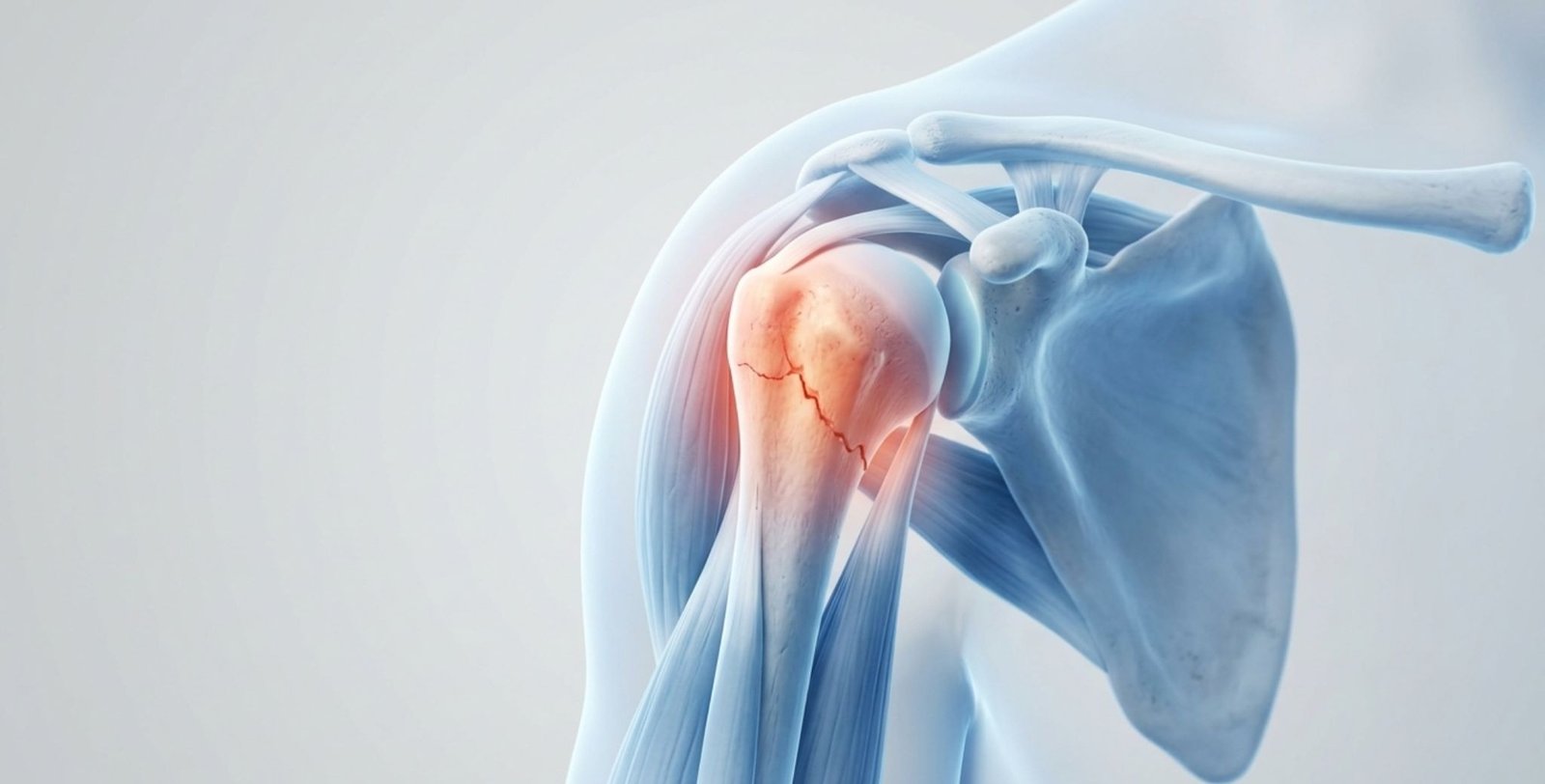
A shoulder fracture occurs when one of the bones forming the shoulder joint, such as the collarbone, upper arm bone, or shoulder blade, breaks due to injury or excessive force. Treatment depends on the location and severity of the break and may range from immobilisation with a sling to surgical fixation. A doctor examines the injury, reviews imaging, and considers the patient’s age and activity level before deciding on the most suitable approach.
Key Takeaways
Pain, swelling, and limited arm movement are common signs of a shoulder fracture.
Falls, sports injuries, and road accidents are frequent causes of shoulder fractures.
Not every fracture requires surgery; some heal well with proper immobilisation.
Doctors rely on physical examination and imaging to decide the right treatment approach.
What Is a Shoulder Fracture, and When Does It Need Treatment?
A shoulder fracture involves a break in one of the bones that make up the shoulder complex, namely the clavicle, humerus, or scapula. These injuries often happen suddenly, following a fall, a direct blow, or a sporting accident. Depending on how the bone has broken and whether the fragments have shifted out of place, doctors may recommend anything from rest and a sling to more involved shoulder fracture treatment.
The shoulder is a highly mobile joint, which makes it more prone to injury during falls or sudden impacts. When a fracture occurs, the surrounding muscles, tendons, and nerves can also be affected, which is why prompt evaluation matters. Not all fractures look the same on imaging, and the treatment approach depends heavily on the specific bone involved and how displaced the fragments are.
Common Signs You May Need Shoulder Fracture Treatment
Recognising the warning signs early can help you seek appropriate care and avoid complications from delayed treatment.
Sudden Pain and Tenderness
The most immediate sign is sharp pain at the time of injury, which often worsens with any attempt to move the arm. Tenderness over the collarbone, shoulder blade, or upper arm is common, and the pain may radiate toward the neck or elbow.
Swelling, bruising, and deformity:
Swelling and bruising typically develop within hours of the injury. In some cases, especially with displaced fractures, the shoulder may appear visibly out of shape or lower than the uninjured side.
Difficulty Moving the Arm
A person with a shoulder fracture usually finds it difficult or impossible to lift or rotate the arm. Even simple movements like reaching for an object or getting dressed can become painful.
How an Untreated Shoulder Fracture Affects Daily Life
Left unaddressed, a shoulder fracture can interfere with basic activities such as dressing, driving, and lifting objects. Sleep may also be disturbed, particularly when lying on the affected side. Some fractures, if not properly immobilised or aligned, can heal in an abnormal position, leading to long-term stiffness or reduced range of motion.
Muscle weakness can also develop when the arm is not used for an extended period. This is why doctors often recommend a combination of protection in the early stage and guided movement later to prevent the joint from becoming permanently stiff.
Common Causes of Shoulder Fractures
Several situations can lead to a broken bone in the shoulder region.
Falls
A fall onto an outstretched hand or directly onto the shoulder is one of the most frequent causes, particularly in older adults with weaker bones.
Sports and Physical Activities
Contact sports, cycling, and other high-impact activities carry a higher risk of shoulder injuries, including fractures of the collarbone or upper arm.
Road Traffic Accidents
Direct trauma from vehicular accidents can cause significant shoulder fractures, sometimes involving multiple bones at once.
Osteoporosis and Weakened Bone
In people with reduced bone density, even minor trauma can result in a fracture. A shoulder hairline fracture, which is a thin crack rather than a complete break, is sometimes seen in such cases and may be easy to miss on initial examination without proper imaging.
How Doctors Diagnose and Decide on Treatment
Diagnosis usually begins with a physical examination to check for swelling, deformity, and tenderness, followed by X-rays to confirm the fracture and assess how the bone fragments are positioned. In certain cases, a CT scan may be advised for a more detailed view, particularly when the fracture is complex or involves the joint surface.
Factors Doctors Consider
Location and pattern of the fracture
Degree of displacement of bone fragments
Age and bone quality of the patient
Activity level and functional demands
Presence of nerve or blood vessel involvement
Overall health and ability to undergo rehabilitation
There is no single approach that suits every patient, and the treatment plan is tailored based on these individual factors.
Treatment Options and Shoulder Fracture Recovery Time
Many shoulder fractures, particularly those that are minimally displaced, can be managed without surgery. This usually involves immobilising the arm with a sling or brace for a few weeks, followed by a structured physiotherapy programme to restore movement and strength.
When fragments are significantly displaced, or the fracture involves the joint surface, surgical fixation with plates, screws, or pins may be recommended to restore proper alignment. Regardless of the approach chosen, shoulder fracture recovery time varies from patient to patient, generally ranging from six weeks for straightforward fractures to several months for more complex injuries requiring surgery and extended rehabilitation. Consistent physiotherapy plays a major role in determining how quickly and completely function is regained.
FAQs
Most shoulder fractures take around six to twelve weeks to heal, though complex fractures or those requiring surgery may take longer, followed by a period of rehabilitation.
Yes, many shoulder fractures that are not significantly displaced can heal well with immobilisation and physiotherapy alone.
Persistent pain, swelling, visible deformity, and inability to move the arm after an injury are signs that warrant an examination and imaging to rule out a fracture.
Physiotherapy is usually recommended after the initial healing period to restore strength, flexibility, and range of motion in the shoulder.
Untreated fractures can heal in an abnormal position, leading to stiffness, reduced movement, and long-term discomfort in the joint.
You should see a doctor promptly if you experience severe pain, visible deformity, swelling, or difficulty moving the arm following a fall or injury.
Recognising the signs of a shoulder fracture early and seeking timely care can make a significant difference in how well and how quickly the joint recovers. Persistent pain, swelling, or limited movement following an injury should not be ignored. If you are experiencing symptoms of a shoulder injury, consulting a specialist offering shoulder fracture treatment in Nagpur can help determine the right diagnosis and treatment approach for your condition.