
What Happens If You Ignore a Knee Ligament Injury
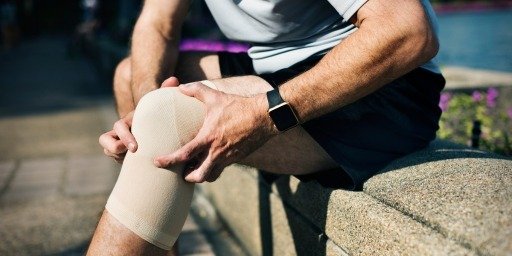
A sudden twist during a football match, an awkward landing after a jump, or even a simple misstep on uneven ground can result in a knee ligament injury. Many people dismiss the initial pain and swelling, thinking it will heal on its own with rest. However, what starts as a seemingly minor injury can quickly escalate into a debilitating condition that affects your mobility, independence, and overall quality of life. Understanding what happens when you ignore a knee ligament injury is crucial for making informed decisions about your health and seeking timely medical intervention.
The knee joint relies on four major ligaments to provide stability and support during movement. When these ligaments are damaged and left untreated, the consequences can be far more serious than most people realise. This article explores the progressive stages of ligament damage, the long-term complications of neglect, and the importance of early intervention by a qualified orthopaedic specialist for proper recovery.
Early Signs of a Knee Ligament Injury You Should Never Ignore
Recognising the warning signs of a knee ligament injury early can make the difference between a complete recovery and permanent joint damage. The initial symptoms may seem manageable, which is precisely why many people delay seeking medical attention.
The most common early indicators include sudden pain at the moment of injury, often accompanied by a popping sound or sensation in the knee. Swelling typically develops within hours, making it difficult to fully bend or straighten the leg. You might also experience instability, feeling as though your knee might give way when you try to stand or walk.
Other warning signs include tenderness along the joint line, difficulty bearing weight on the affected leg, and a limited range of motion. Some people notice bruising around the knee within 24 to 48 hours. If you experience any combination of these symptoms, it’s crucial to consult an orthopaedic surgeon rather than waiting to see if the pain subsides on its own.
Many patients make the mistake of self-diagnosing their injury as a simple sprain and applying home remedies. Whilst rest, ice, compression, and elevation can help manage initial symptoms, they cannot repair damaged ligament tissue. Only a proper clinical examination, along with imaging studies like MRI scans, can accurately diagnose the extent of the injury.
From Mild Strain to Ligament Break: How Knee Ligament Damage Progresses
Knee ligament injuries are classified into three grades based on severity. A Grade 1 injury involves minor stretching of the ligament fibres with no significant tearing. Grade 2 represents a partial tear where some fibres remain intact. Grade 3 is a complete ligament break, where the ligament is torn entirely, often requiring surgical intervention.
When you continue to use an injured knee without proper treatment, a Grade 1 strain can progress to a Grade 2 or even Grade 3 tear. Each time you put weight on an unstable knee, you risk further damage to the already weakened ligament fibres. The knee joint compensates for the instability by placing additional stress on surrounding structures, including other ligaments, cartilage, and menisci.
This compensation mechanism creates a vicious cycle. As the primary injured ligament becomes weaker, secondary structures begin to deteriorate. What might have been treatable with conservative management, such as physiotherapy and bracing, now requires more aggressive intervention. The progression from a minor injury to severe damage can happen gradually over weeks or months, or suddenly during a single episode of overexertion.
Athletes and physically active individuals are particularly vulnerable to this progression. The desire to return to sports quickly often leads to premature resumption of activities before the ligament has healed adequately. This increases the risk of re-injury and can transform a recoverable injury into a chronic condition requiring surgical reconstruction.
Long-Term Damage Caused by Untreated Ligament Tear in the Knee
The long-term consequences of an untreated ligament tear in knee extend far beyond the ligament itself. One of the most serious complications is the development of post-traumatic osteoarthritis. When the knee lacks proper stability, the abnormal movement patterns cause excessive wear and tear on the articular cartilage. This cartilage breakdown leads to painful arthritis that can develop within just a few years of the initial injury.
Meniscus tears are another common secondary injury resulting from chronic knee instability. The menisci act as shock absorbers within the knee joint. When ligaments fail to stabilise the joint properly, the menisci experience abnormal forces during everyday activities. This can lead to degenerative tears that require surgical intervention.
Chronic knee instability also affects the surrounding muscles and tendons. The quadriceps and hamstring muscles work overtime trying to compensate for the lack of ligamentous support. This can lead to muscle imbalances, chronic pain, and increased risk of injury to other areas of the leg, including the hip and ankle.
Furthermore, untreated ligament injuries can cause changes in your gait pattern. Walking with an unstable knee forces you to alter your biomechanics, which can result in problems in the opposite knee, lower back, and hips. These compensatory issues may persist even after the original knee injury is eventually addressed.
How Ignoring a Knee Ligament Injury Affects Mobility and Daily Life
The impact of an untreated knee ligament injury on daily life is often underestimated until simple tasks become challenging. Activities that most people take for granted, such as climbing stairs, getting in and out of a car, or even standing for extended periods, can become painful and difficult.
Many patients report that their knee “gives way” unexpectedly, leading to falls and potential additional injuries. This instability creates a constant fear of movement, causing people to limit their activities significantly. Social and recreational activities that involve walking, sports, or physical exertion often become impossible, leading to social isolation and decreased quality of life.
Professional life can also suffer dramatically. Jobs that require prolonged standing, walking, or physical labour become increasingly difficult to perform. Some individuals find themselves unable to continue in their chosen careers due to chronic knee problems that could have been prevented with timely treatment.
The psychological impact should not be overlooked either. Chronic pain and physical limitations can lead to frustration, anxiety, and depression. The loss of independence and the inability to participate in previously enjoyed activities can significantly affect mental health and overall well-being.
When a Knee Ligament Injury Turns into a Surgical Emergency
Whilst not all knee ligament injuries require immediate surgery, certain situations constitute orthopaedic emergencies that demand urgent medical attention. A complete ACL or PCL rupture combined with damage to other structures (such as a multi-ligament knee injury) requires prompt surgical evaluation to prevent permanent disability.
If you experience severe instability where the knee completely gives out, intense pain that doesn’t improve with rest, visible deformity of the knee joint, or inability to bear any weight on the leg, you should seek emergency medical care immediately. These symptoms may indicate complex ligament damage that requires urgent intervention.
Another emergency arises when there’s vascular compromise. If ligament damage is accompanied by numbness, tingling, coldness, or colour changes in the lower leg and foot, this could indicate injury to blood vessels. Such cases require immediate medical attention to prevent permanent damage.
Even if your injury doesn’t constitute an immediate emergency, persistent symptoms lasting more than a week warrant professional evaluation. Delay in diagnosis and treatment increases the likelihood of needing surgical intervention rather than benefiting from conservative management options like physiotherapy and bracing.
Advanced arthroscopic techniques have revolutionised ligament reconstruction surgery, offering minimally invasive options with faster recovery times. However, the success of any surgical intervention depends largely on how quickly treatment begins and the extent of secondary damage that has occurred.
Why Early Consultation with an Orthopaedic Specialist Matters
Seeking timely evaluation from an experienced orthopaedic surgeon is crucial for optimal outcomes following a knee ligament injury. Early diagnosis allows for appropriate treatment planning, whether that involves conservative management or surgical intervention. An Orthopedic specialist with expertise in sports injuries and arthroscopic surgery can accurately assess the extent of your injury and recommend the most effective treatment approach.
Modern diagnostic tools, including MRI and clinical stress tests, help determine the exact nature and severity of ligament damage. This information guides treatment decisions and helps set realistic expectations for recovery timelines. With proper medical care, many patients can return to their normal activities and even competitive sports.
Don’t let fear or inconvenience prevent you from seeking professional medical advice. The temporary discomfort of medical evaluation is far less significant than the long-term consequences of an untreated ligament injury. Your knees carry you through life; investing in their health today ensures mobility and independence for years to come.
Frequently Asked Questions (FAQs)
Can a knee ligament heal on its own without treatment?
Minor Grade 1 ligament strains may heal with rest and conservative care, but Grade 2 and 3 tears typically require professional treatment. Even minor injuries benefit from proper evaluation to ensure complete healing and prevent progression.
How long can I wait before seeking treatment for a knee ligament injury?
You should seek medical evaluation within 48 to 72 hours of injury. Waiting longer increases the risk of secondary damage and complications. If symptoms are severe, seek immediate medical attention.
What are the risks of continuing sports with an injured knee ligament?
Continuing sports activities with an injured ligament significantly increases the risk of complete rupture, meniscus tears, cartilage damage, and long-term instability. It can also lead to premature osteoarthritis.
Will I need surgery for a knee ligament injury?
Not all ligament injuries require surgery. Treatment depends on the severity of the tear, which ligament is affected, your activity level, and overall health. An orthopaedic specialist can determine the most appropriate treatment plan for your specific situation.
How can I prevent knee ligament injuries?
Prevention strategies include proper warm-up before physical activity, strengthening exercises for leg muscles, maintaining flexibility, using appropriate footwear, and learning proper techniques for sports and physical activities.
Ignoring a knee ligament injury is a decision that can have lifelong consequences. What begins as manageable pain and swelling can progress to chronic instability, secondary injuries, early-onset arthritis, and significant limitations in mobility and quality of life. The knee joint is a complex structure that requires all its components to function properly for optimal performance.
Early recognition of symptoms and prompt medical evaluation are essential for preventing long-term complications. Whether your injury requires conservative management or surgical intervention, the key to successful recovery lies in timely, appropriate treatment guided by an experienced orthopaedic specialist in Nagpur. Don’t gamble with your mobility and independence by delaying care. If you’ve experienced a knee injury, consult a qualified orthopaedic surgeon to ensure proper diagnosis and treatment, protecting your knees and your future.